
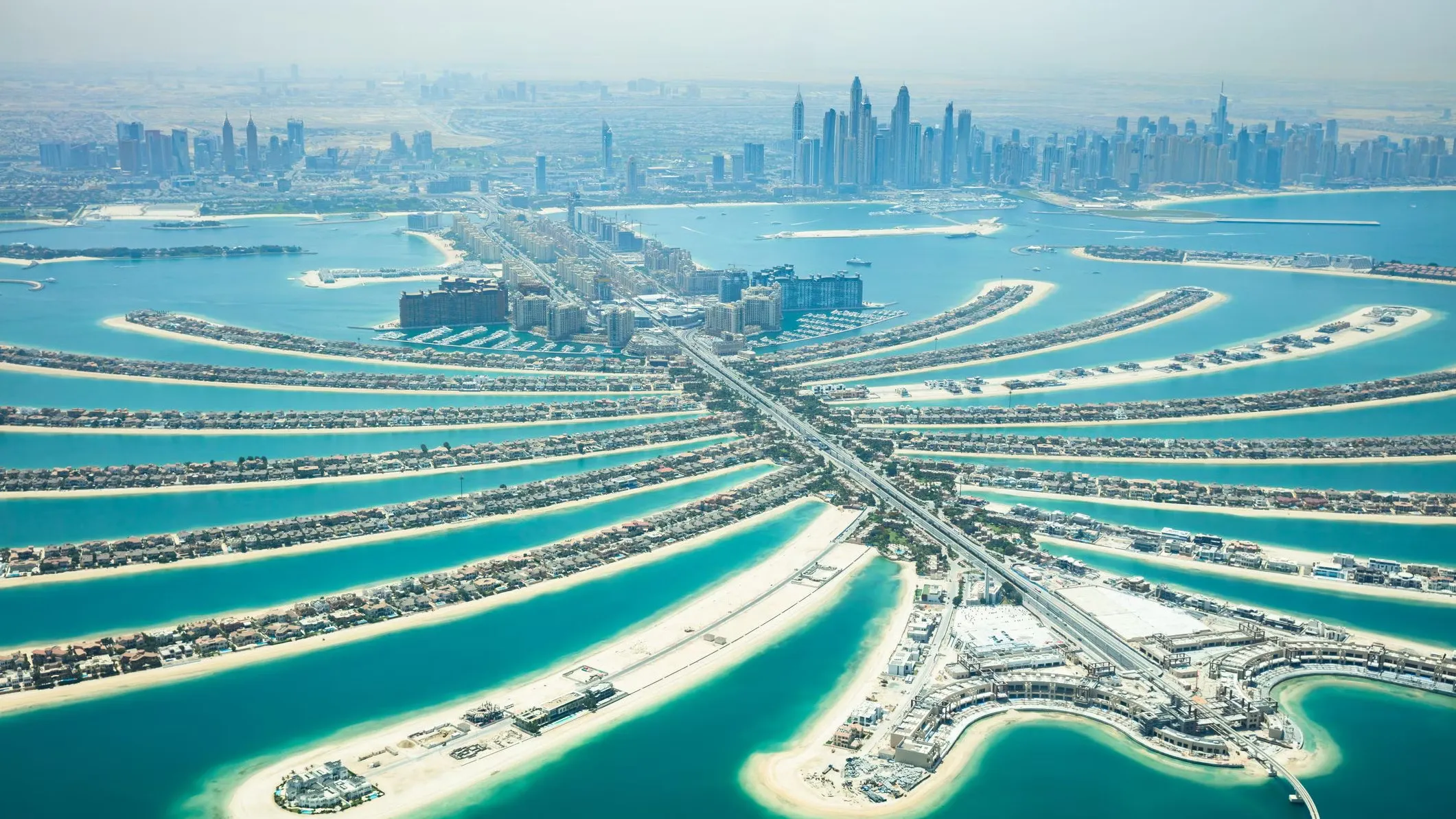

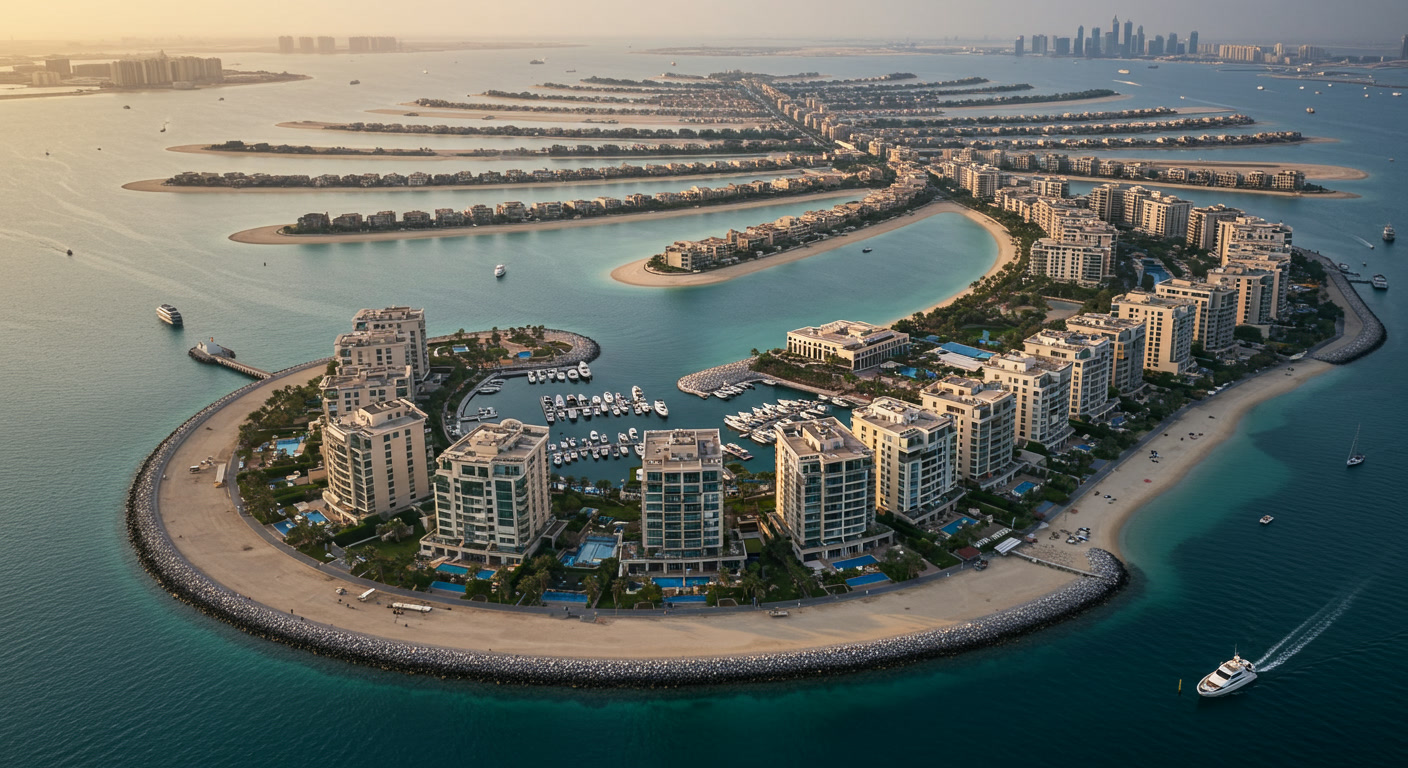
Dubai Islands property investment 2026 is back in serious buyer conversations because it offers something Dubai rarely gives late in a cycle, a large-scale waterfront district that is still early enough for repricing but visible enough to underwrite with real-world assumptions. That mix matters. Investors who missed earlier Palm Jumeirah or early Dubai Creek Harbour phases are looking at Dubai Islands as one of the few remaining shoreline stories where future infrastructure can still change the pricing curve.
The broader market backdrop is supportive. Dubai Land Department activity for Q1 2026 reached roughly AED 142.7 billion in property sales, and the city remains highly liquid across coastal, branded and master-planned launches. When capital remains this active, buyers naturally rotate toward areas where scarcity and future district maturity can create upside beyond simple yield.
The contrarian truth is that Dubai Islands is not a quick-flip market yet. Buyers chasing instant resale spikes may be disappointed. The cleaner thesis is a patient 3 to 6 year hold where hospitality activation, better road connectivity, usable retail and stronger waterfront identity gradually compress the gap between promise and perception.
Entry prices in 2026 and how they compare with other waterfront options
In practice, I see three buying lanes forming. First, the sub-AED 2.2 million one-bedroom buyer who wants a relatively accessible waterfront entry and potentially a future Golden Visa path. Second, the AED 2.5 million to AED 4.5 million buyer comparing better-quality apartments with older beachfront stock in Deira or more expensive options in established prime districts. Third, the villa or branded residence buyer who is benchmarking Dubai Islands directly against Palm Jumeirah, Emaar Beachfront and parts of Port Rashid.
Compared with Palm Jumeirah, Dubai Islands is still a value story, not a prestige-equivalent story. Palm buyers pay up for proven beach clubs, mature branding, deep resale liquidity and immediate address recognition. Dubai Islands buyers are paying for future positioning. Compared with Emaar Beachfront, Dubai Islands can look more affordable at entry, with the potential for stronger percentage upside if district execution stays disciplined.
That said, some launches across Dubai in 2026 are pricing aspiration aggressively. Dubai Islands only works when the exact tower, handover schedule, beach access and micro-location justify the number. A tower-by-tower underwriting model matters much more here than generic island marketing.
The real demand drivers most sales presentations skip
There are four real demand drivers here. First, Dubai's resident base is still expanding, which supports premium and upper-mid waterfront absorption. Second, new-build coastal inventory remains relatively limited outside a handful of master communities. Third, international buyers from India, Europe and the GCC continue to prioritise lifestyle-led assets that can also function as second homes. Fourth, Dubai Islands benefits from its adjacency to Deira redevelopment, Port Rashid momentum and the wider old Dubai renewal arc, which creates a different buyer mix from a pure resort-only project.
Specific geography matters. Investors are watching Dubai Islands alongside Port Rashid, Dubai Creek waterfront corridors and links toward Sheikh Zayed Road because accessibility decides whether this becomes a fully lived-in district or just a seasonal address. Buildings closest to beach frontage, marinas, hotel clusters and genuinely usable promenades should outperform those that feel visually impressive but operationally isolated.
My view is that the upside here will come less from brochure hype and more from habit formation. Once residents can live, dine, host guests and move through the district without feeling like early pioneers, valuation multiples rise. Until then, disciplined entry and developer quality matter more than marketing language.
Risk map for off-plan buyers in Dubai Islands
The main risks in Dubai Islands are timing risk, product dilution and holding-cost fatigue. Timing risk means handover delays or slower district activation than buyers expected. Product dilution means too many similar units launching without enough differentiation. Holding-cost fatigue appears when instalments, service charges and investor expectations stop lining up with the pace of resale appreciation.
That does not make the district unattractive. It simply means investors should favour developers with credible Dubai delivery records, realistic payment plans and layouts that work for both end users and tenants. A sea-view studio may sound exciting in a launch event, but a well-planned one-bedroom near retail, beach access and hospitality often rents and resells more cleanly.
This is where Dubai Islands differs from generic off-plan speculation. If you buy the right product, you are positioning ahead of district maturity. If you buy the wrong unit, you may spend years competing with near-identical inventory from the next launch wave.
Investors should also benchmark Dubai Islands against how other early-cycle districts evolved in Dubai. The lesson from areas like Dubai Creek Harbour and selected Dubai South launches is clear, the market rewards projects that move from concept to daily livability faster than expected. When roads, retail, hospitality and a real residential rhythm arrive together, pricing confidence improves dramatically. When those layers lag, even a beautiful waterfront concept can spend longer in discount territory than buyers expected.