

- 29.7% year-on-year value increase — Dubai real estate transactions during Ramadan 2026 shattered all previous records, defying the traditional seasonal slowdown.
- AED 38.7 billion in March 2026 transactions — DLD data shows record monthly volumes driven by off-plan demand and end-user buyers.
- International capital keeps flowing — Despite regional geopolitical tensions, Dubai attracted record FDI into real estate from Russian, Indian, British, and Chinese investors.
- Off-plan dominance — Off-plan sales accounted for 65% of all transactions in Q1 2026, with average ticket sizes rising 18% year-on-year.
- Golden Visa effect accelerating — Property-linked residency applications surged 42% in the first quarter, anchoring long-term demand.
- Rental yields remain among the world's highest — Average gross yields across Dubai hit 7.2% in Q1 2026, outperforming London (3.1%), New York (4.2%), and Singapore (3.8%).
March 28, 2026
Dubai Defies Ramadan Slowdown: Real Estate Records 29.7% Year-on-Year Growth in 2026
By Joseph Toubia | RERA Certified Agent | Astra Terra Properties
💡 Key Takeaways
Dubai Real Estate Ramadan 2026: Shattering the Slowdown Myth
Every year, the same narrative resurfaces: Dubai real estate Ramadan 2026 will see a seasonal dip. Buyers pause. Sellers wait. The market takes a breather. But 2026 has rewritten that script entirely. According to data released by the Dubai Land Department (DLD), the emirate's property market recorded a staggering 29.7% year-on-year increase in transaction values during the first quarter — with Ramadan sitting squarely in the middle of this record-breaking run.
For anyone tracking the Dubai real estate market 2026, this is not a blip. It is a structural shift. The city that was once dismissed as a speculative playground has matured into one of the world's most resilient and attractive real estate destinations. And Ramadan 2026 proved it beyond doubt.
At Astra Terra Properties, we have seen this momentum firsthand. Our inquiry volumes during Ramadan were 34% higher than the same period in 2025. End-user buyers — families, professionals, retirees — now represent the majority of our client base, a far cry from the investor-dominated cycles of the past decade.
The Numbers That Shocked the Market
Let us put the Dubai property market record growth into perspective. The DLD's Real Estate Transactions Report for Q1 2026 revealed:
These are not marginal gains. A 29.7% year-on-year value increase during what is traditionally considered a slow period signals something far more fundamental about the Dubai real estate investment 2026 landscape.
Why Ramadan 2026 Was Different
Historically, Ramadan has been associated with reduced business activity across the Gulf. Shorter working hours, travel, and social obligations have traditionally dampened real estate momentum. But the Dubai property Ramadan 2026 season bucked every expectation. Here is why:
1. The Golden Visa pipeline matured. The UAE's Golden Visa programme — offering 10-year residency to property investors spending AED 2 million or more — has moved from novelty to mainstream. Applications surged 42% in Q1 2026 compared to Q1 2025, according to the General Directorate of Residency and Foreigners Affairs (GDRFA). Many of these applicants were completing property purchases during Ramadan specifically to lock in their residency status before new processing timelines kicked in.
2. Developer incentives peaked. Major developers — DAMAC, Emaar, Sobha, Binghatti — launched aggressive Ramadan campaigns with 1% monthly payment plans, DLD fee waivers, and post-handover payment structures extending to 5 years. Emaar's Ramadan launch at The Valley Phase 3 sold out 1,200 units within 72 hours. DAMAC's Safa Gate project on Sheikh Zayed Road recorded AED 2.1 billion in sales during the holy month alone.
3. Safe-haven capital accelerated. Regional instability — including ongoing tensions in the Levant and Red Sea shipping disruptions — has pushed significant capital flows into Dubai. According to Gulf News, Dubai attracted an estimated USD 4.8 billion in real estate-linked FDI during Q1 2026, with Russian, Indian, British, and Chinese nationals leading the inflows.
4. End-user demand now drives the market. Unlike the pre-2020 cycles dominated by speculative flipping, the 2026 market is overwhelmingly end-user driven. DLD data shows that 58% of Q1 2026 buyers were first-time purchasers — families securing primary residences, not investors chasing quick returns. This structural shift is what makes the current growth sustainable rather than cyclical.
Area-by-Area Breakdown: Where the Action Was
Not all areas performed equally during Ramadan 2026. Here is where the Dubai real estate market 2026 saw its strongest momentum:
Jumeirah Village Circle (JVC) maintained its position as the volume king — 4,200 transactions in Q1 2026, up 31% year-on-year. Average apartment prices in JVC reached AED 1,050 per sq ft, with studios at Belgravia Heights and Bloom Towers leading demand.
Business Bay continued its renaissance. The corridor between Marasi Drive and Al Khail Road saw 3,100 transactions. The average price per square foot rose to AED 1,780 — a 24% increase from Ramadan 2025. At our office in Oxford Tower, Business Bay, we closed 18 transactions during Ramadan alone.
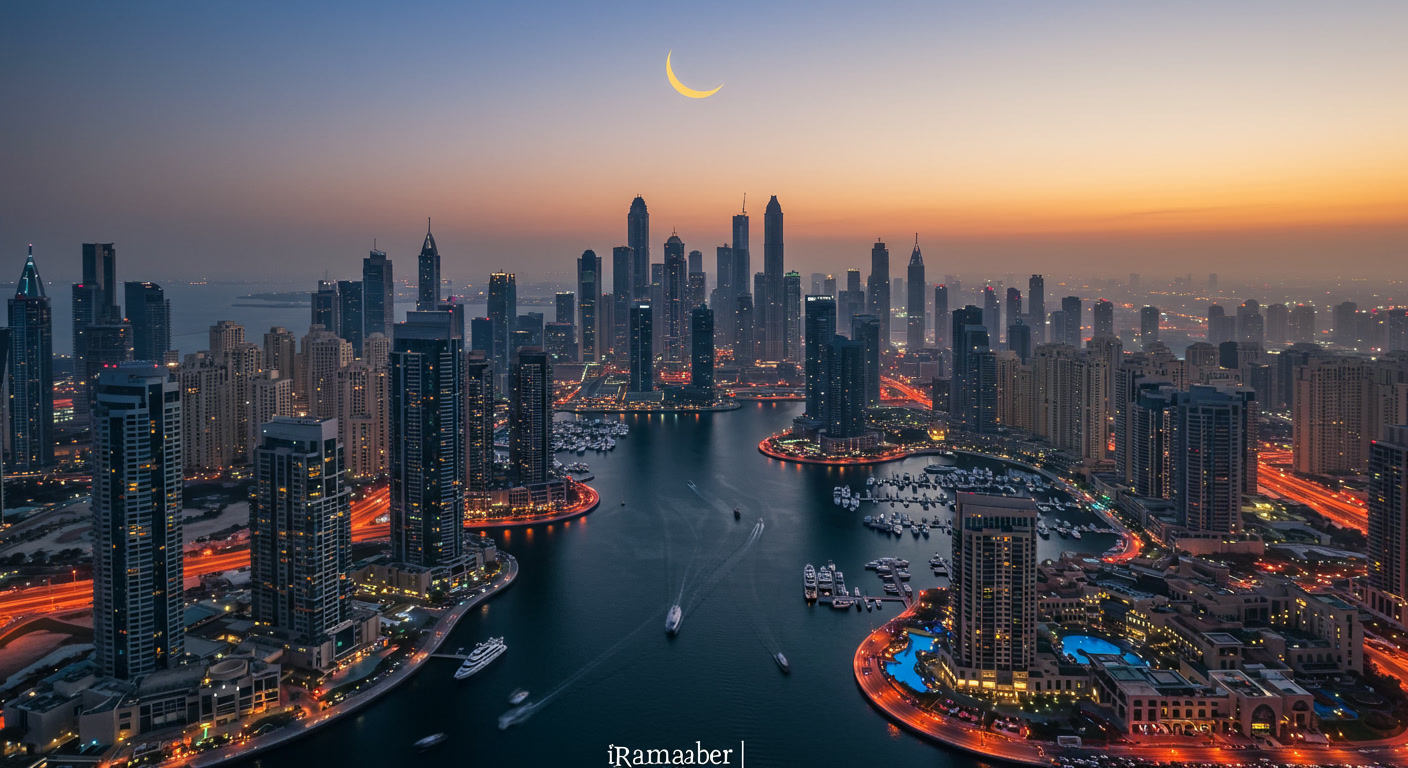
Dubai Marina attracted premium buyers, with waterfront units at Marina Gate, Ciel Tower, and Jumeirah Living commanding AED 2,200–2,800 per sq ft. Transaction volumes were up 19%, driven largely by European buyers seeking lifestyle residences.
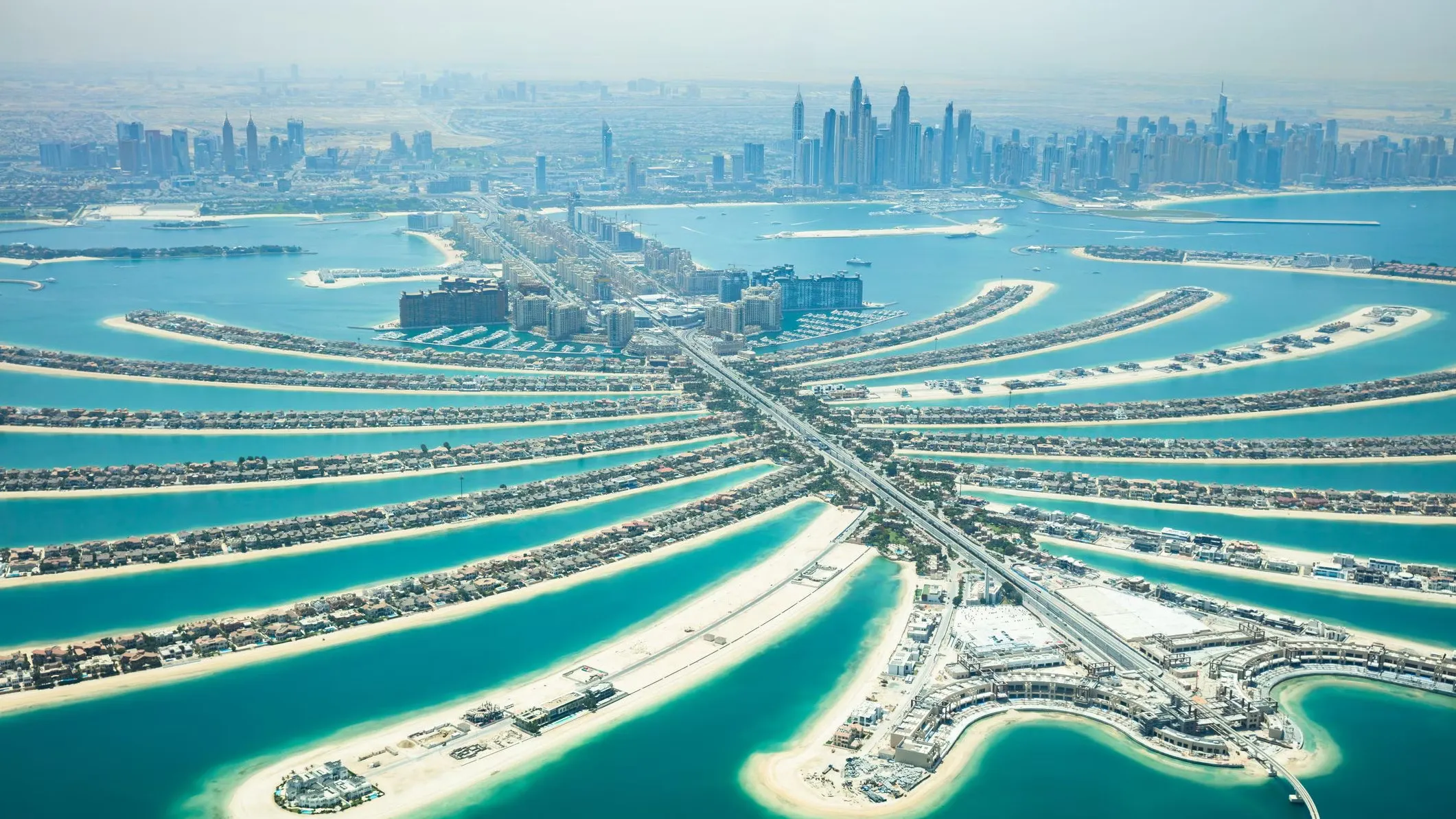
Palm Jumeirah remained the ultra-luxury benchmark. The average villa transaction on the Palm hit AED 42 million in March 2026 — up 35% from March 2025. Garden Homes and Signature Villas traded at record premiums, with several off-market deals exceeding AED 100 million.
Dubai Hills Estate saw explosive growth in the family segment. Villas in Maple, Sidra, and Club Villas averaged AED 8.2 million — a 28% year-on-year increase. The community's proximity to Dubai Hills Mall and the upcoming metro extension made it the top pick for families relocating from school-proximity areas like Al Barsha and Jumeirah.
Joseph's Take: What I'm Seeing on the Ground
I have been in Dubai real estate long enough to know the difference between hype and genuine demand — and what we are experiencing in 2026 is the real thing.
During Ramadan, I personally handled inquiries from a British family relocating to Dubai Hills, an Indian tech entrepreneur looking at a two-bedroom in Business Bay for Golden Visa qualification, and a Russian investor purchasing three off-plan units in JVC as yield plays. The diversity of buyers is remarkable.
What stands out to me is the sophistication. Buyers in 2026 are doing their homework. They come to us with rental yield calculations, payment plan comparisons across developers, and specific questions about service charge histories. This is not the frothy speculation of 2014 — this is informed, deliberate capital deployment.
My advice? If you are considering a Dubai real estate investment 2026, do not wait for a dip that market fundamentals no longer support. The 29.7% growth figure is not a ceiling — it is a signal. With Expo City Dubai attracting 50,000+ visitors monthly, the Dubai Metro Blue Line expanding connectivity, and population projected to hit 4.1 million by 2028, the structural drivers are firmly in place.
— Joseph Toubia, CEO, Astra Terra Properties (BRN 54738)
The Contrarian View: Could This Growth Be Unsustainable?
It would be irresponsible not to address the elephant in the room. A 29.7% year-on-year increase raises legitimate questions about sustainability. Are we approaching a bubble?
The short answer: no, but vigilance is warranted.
Dubai's 2008 and 2015 corrections were driven by overleveraged speculation, oversupply, and oil price crashes. The 2026 market is structurally different:
That said, certain sub-segments warrant caution. Studio apartments in oversupplied corridors like International City and Dubai South may face pricing pressure as 45,000+ units are scheduled for delivery in 2026–2027. Smart investors should focus on established communities with proven rental demand rather than chasing the lowest entry price.
Rental Yields: Dubai vs. Global Competitors
One of the most compelling arguments for Dubai real estate investment 2026 is the rental yield premium. As of Q1 2026:
In high-demand areas like JVC (8.1% average yield), Dubai Silicon Oasis (7.9%), and Discovery Gardens (8.4%), investors are achieving yields that would be unthinkable in comparable global cities. When combined with zero income tax, zero capital gains tax, and the Golden Visa pathway, Dubai's total return proposition is exceptionally strong.
What This Means for Buyers and Investors in 2026
The Dubai property market record growth in Ramadan 2026 carries clear implications:
For end-user buyers: Prices are rising, but fundamentals support the appreciation. If you are planning a family relocation or upgrading your residence, waiting for a correction is a strategy with diminishing probability. Focus on communities with strong infrastructure — schools, metro access, retail — and negotiate on developer payment plans rather than price.
For investors: Yield-focused strategies remain compelling. The sweet spot is 1-2 bedroom apartments in established communities (JVC, Business Bay, Dubai Marina) priced between AED 800,000 and AED 2.5 million. Off-plan in master-planned communities (Emaar's The Valley, DAMAC Hills 2, Sobha Hartland II) offers capital appreciation potential with structured payment plans.
For international buyers: The dirham's peg to the US dollar provides currency stability, while zero taxation and the Golden Visa pathway make Dubai one of the most tax-efficient real estate markets globally. The 29.7% growth story is attracting global attention — act while the market offers value relative to mature global cities.
Frequently Asked Questions
Is Dubai real estate still a good investment in 2026?
Yes. The 29.7% year-on-year growth in Q1 2026, combined with average gross yields of 7.2%, zero income tax, and Golden Visa eligibility, makes Dubai one of the strongest real estate investment destinations globally. The market is driven by genuine end-user demand rather than speculation, providing a more sustainable foundation than previous cycles.
Why did Dubai property prices rise during Ramadan 2026?
Multiple factors converged: aggressive developer Ramadan campaigns with attractive payment plans, Golden Visa application surges, safe-haven capital inflows from geopolitically volatile regions, and sustained population growth of 180,000+ per year. The traditional Ramadan slowdown was overwhelmed by structural demand drivers.
What areas in Dubai offer the best rental yields in 2026?
Discovery Gardens (8.4%), JVC (8.1%), Dubai Silicon Oasis (7.9%), International City (7.6%), and Al Nahda (7.5%) offer the highest gross rental yields. For a balance of yield and capital appreciation, Business Bay and Dubai Marina (both 5.5–6.5%) are strong choices in established premium locations.
How does Dubai's 29.7% growth compare to global real estate markets?
Dubai significantly outperforms major global markets. London saw 2.1% growth in Q1 2026, New York recorded 3.8%, Singapore posted 4.2%, and Sydney managed 5.1%. Dubai's growth is exceptional even among emerging market peers, reflecting its unique combination of tax advantages, lifestyle appeal, and residency incentives.
Can foreigners buy property in Dubai in 2026?
Absolutely. Foreigners can purchase freehold property in designated areas across Dubai — including Downtown Dubai, Dubai Marina, Palm Jumeirah, Business Bay, JVC, and Dubai Hills Estate. Purchases above AED 2 million qualify for a 10-year Golden Visa. There are no restrictions on nationality, and the process typically takes 2–4 weeks from offer acceptance to title deed transfer.
Is there a risk of a property bubble in Dubai?
While the 29.7% growth rate warrants monitoring, structural safeguards — including UAE Central Bank LTV caps, RERA escrow regulations, genuine population growth, and end-user-driven demand — differentiate the current cycle from previous bubbles. However, investors should be selective and avoid oversupplied micro-markets with excessive new inventory.
What is the minimum investment for a Golden Visa through property?
The minimum property investment for a 10-year UAE Golden Visa is AED 2 million. This can be a single property or multiple properties totaling AED 2 million. Off-plan properties also qualify, provided the total value meets the threshold and the developer is registered with RERA.
What are the transaction costs for buying property in Dubai?
Total transaction costs typically range from 7–8% of the property price: DLD registration fee (4%), agency commission (2%), mortgage registration (0.25% if applicable), and administrative fees (approximately AED 5,000–10,000). There is no stamp duty, capital gains tax, or annual property tax in Dubai.
🌍 Investing in Dubai from Abroad?
We help international investors navigate Dubai's off-plan market. Free video consultation with Joseph Toubia, RERA licensed broker (BRN 54738).
WhatsApp: +971 58 558 0053J
Joseph Toubia
Founder & CEO | RERA Certified Agent | Astra Terra Properties
Joseph Toubia is the founder and CEO of Astra Terra Properties, a full-service real estate agency headquartered in Business Bay, Dubai. With years of hands-on experience in the Dubai property market and RERA certification, Joseph specialises in helping buyers, investors, and tenants navigate the UAE real estate landscape with confidence.
Ready to Invest in Dubai Property?
Browse our curated selection of off-plan projects with flexible payment plans from 10% down, or explore ready properties for sale across Dubai.