


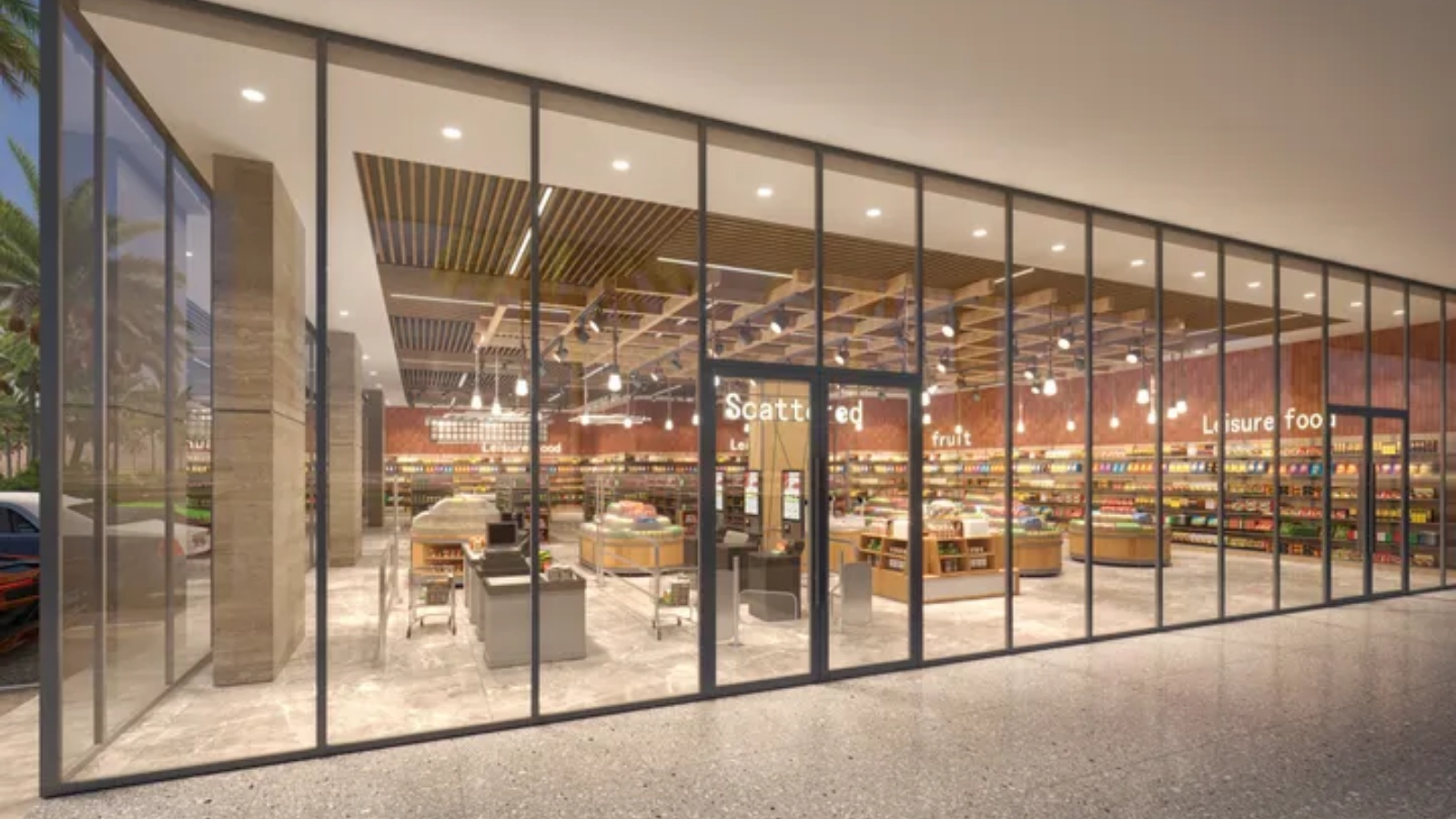
What the latest Dubai transaction week means for retail buyers
Written by
Joseph Toubia
RERA Certified Real Estate Agent | Astraterra Properties Dubai
Commercial and off-plan property adviser
Quick answer
Retail space for sale Dubai buyers are considering in 2026 should be judged by real occupier demand, permitted use, visibility and total opening cost—not by a brochure yield. The latest AED 14.04bn transaction week confirms market liquidity, while International City offers a different value case from Business Bay, JLT and prime central districts.
Retail space for sale Dubai investors are assessing today sits inside an active but increasingly selective market. Dubai recorded AED 14.04 billion of property transactions from 14 to 18 September 2026. Reported sales contributed AED 6.71 billion across 2,454 transactions, mortgages contributed AED 6.2 billion, and gifts added AED 1.13 billion. Those figures demonstrate transaction depth; they do not prove that every shop or off-plan commercial unit deserves the same valuation.
The practical retail question is narrower: will a suitable operator choose this exact unit at a rent that supports the buyer's total cost? A shop depends on the daily catchment, sightlines, access, parking, delivery route, permitted activity and the cost of opening. A headline about citywide liquidity can support confidence, but only building-level evidence can support a purchase decision.
Source: Gulf Economist citing Dubai Land Department data for 14–18 September 2026, published 21 September 2026.
Key takeaways
- AED 14.04bn changed hands in one Dubai property week.
- Sales reached AED 6.71bn across 2,454 transactions.
- International City offers a value-led retail catchment, not a prime-district substitute.
- Activity approval and opening cost matter more than brochure yield.
- Exit liquidity must be tested against same-building competition.
Joseph's Take: retail is an operating-property decision before it is a spreadsheet decision. At Astraterra, the strongest enquiries start with the activity—grocery, pharmacy, café, salon, clinic, services or showroom—because that determines the frontage, utilities, parking, approvals and fit-out needed. Buyers who begin with a promised return often discover too late that the intended tenant cannot legally or economically operate from the unit.
The contrarian view is that a lower entry price can increase risk rather than reduce it. A cheap unit with hidden columns, weak pedestrian flow, no extraction route or an oversupplied frontage may stay vacant longer and require incentives. A more expensive unit can be the better investment when it solves a real operator problem and retains several possible uses.