Commercial Property in Dubai 2026 — Office, Retail & Warehouse Guide
Dubai is the commercial hub of the Middle East, Africa, and South Asia (MEASA) region — home to 90,000+ companies in DMCC alone, a global financial centre in DIFC, and a logistics-and-trade corridor through Jebel Ali. Whether you are a business searching for office or retail space, or an investor targeting commercial yields of 7–12%, this guide covers every commercial property category, the best areas, free zone vs mainland considerations, and investment returns for 2026.
Types of Commercial Property in Dubai
Dubai's commercial property market covers four distinct asset classes, each with different rental levels, tenant profiles, and investment characteristics. The right choice depends on your business requirements or investment objectives.
Office Space
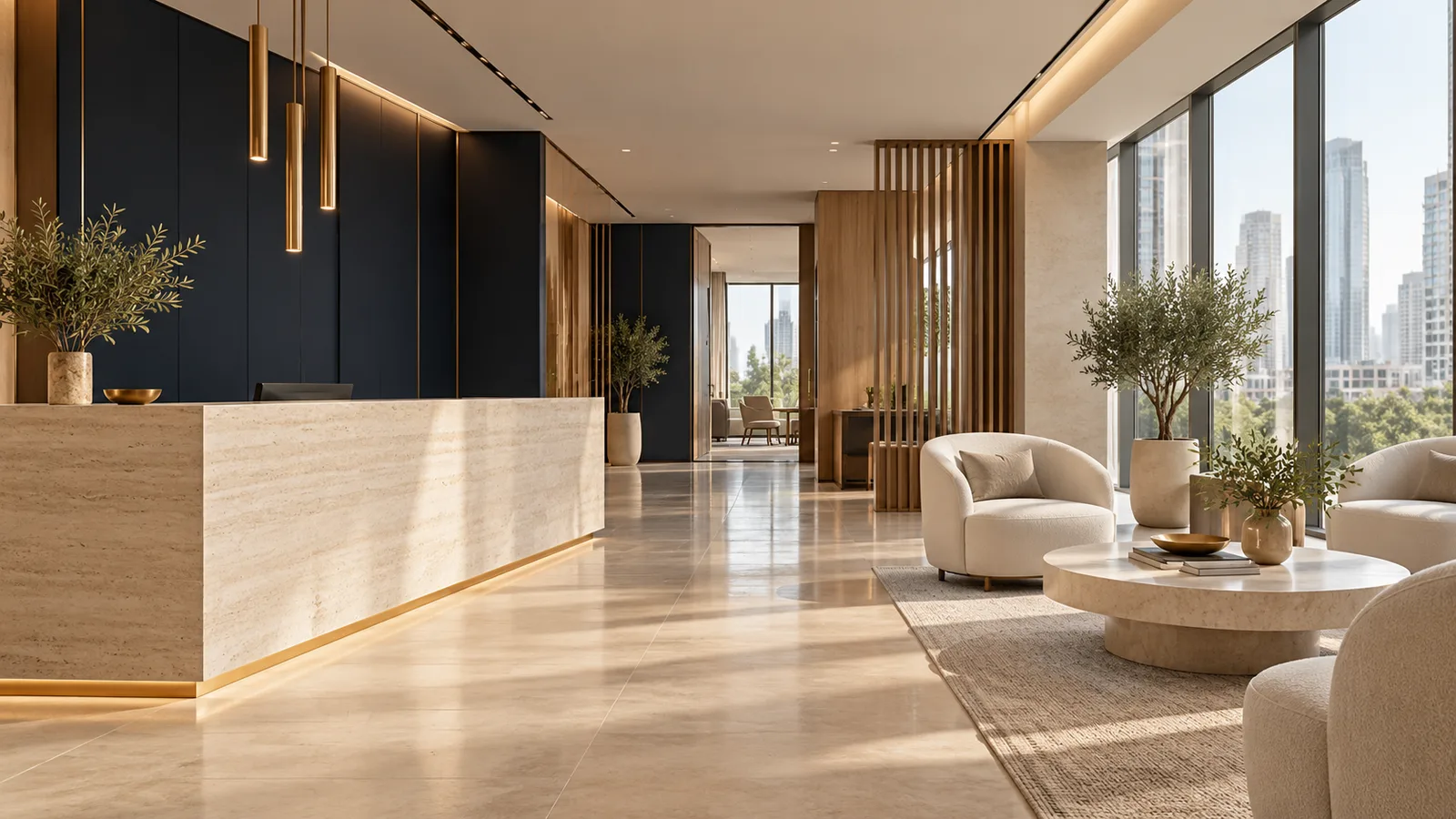
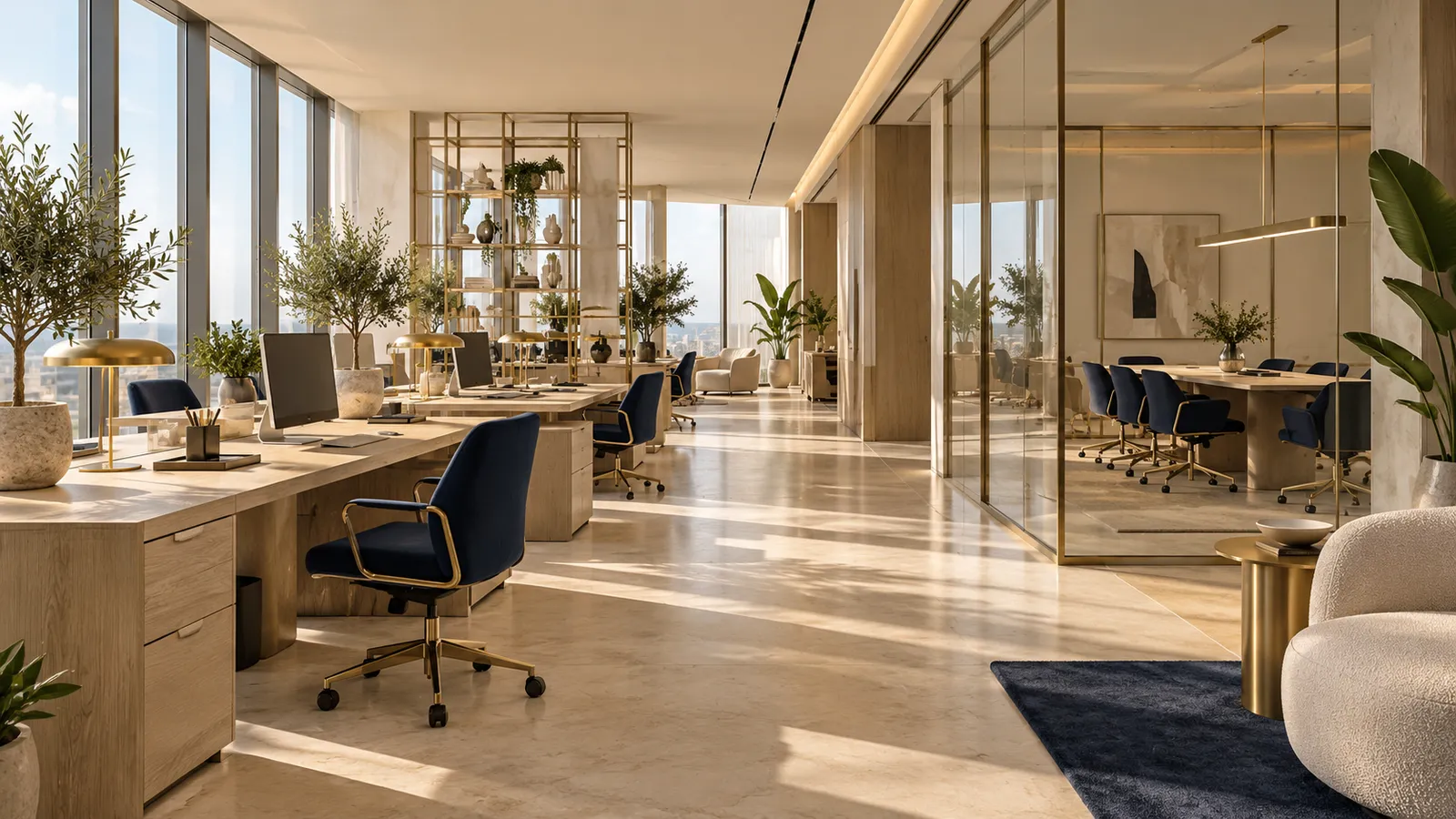
Dubai's office market spans Grade A towers in DIFC and Downtown (AED 250–450/sq ft/yr) to affordable SME offices in JLT (AED 70–130/sq ft/yr). With 90,000+ companies registered in DMCC alone, office demand remains structural. Free zone and mainland options available.
Retail Units
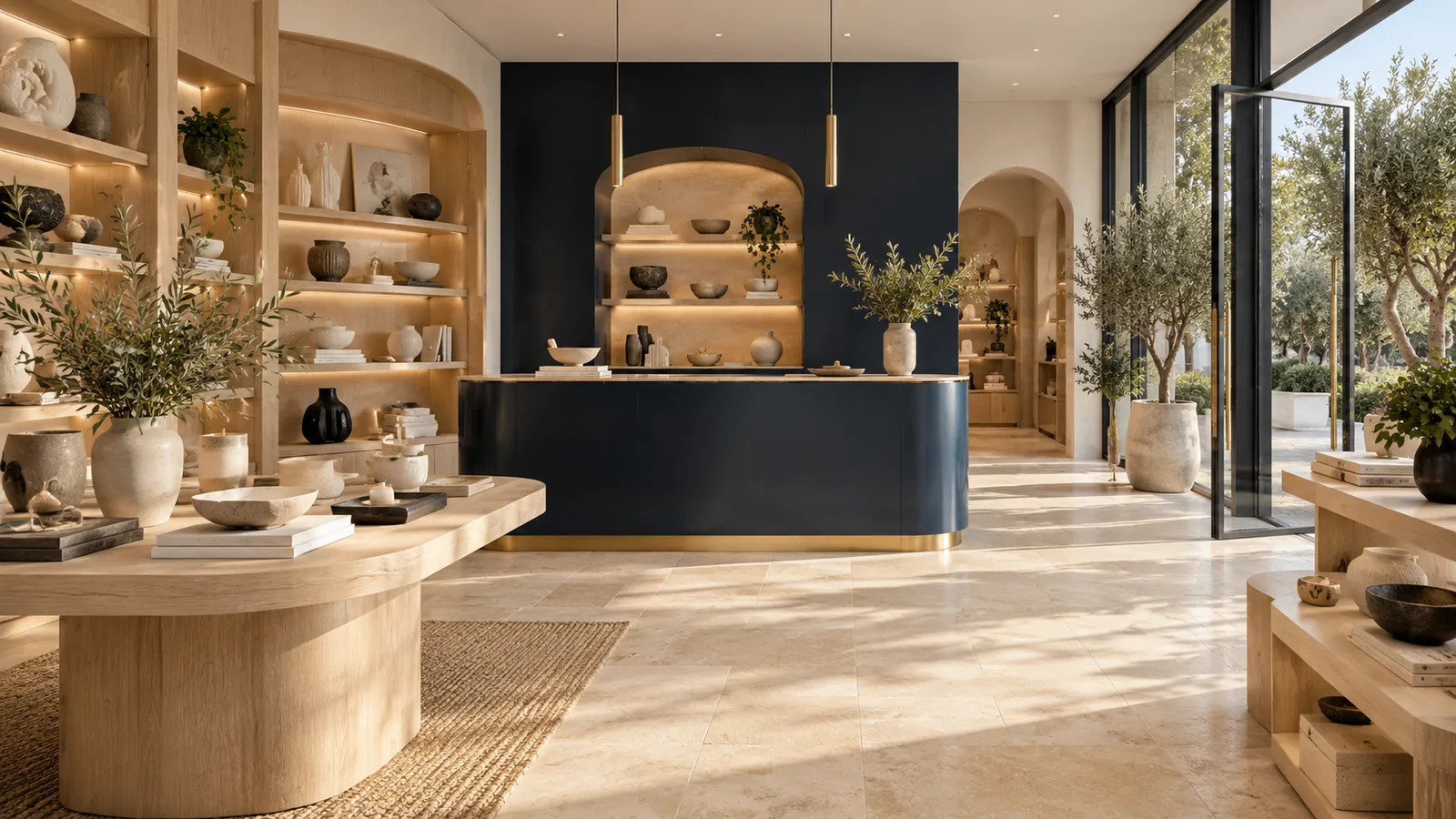
Retail ranges from community strip shops (AED 60–120/sq ft/yr) to prime mall spaces in Mall of the Emirates or Dubai Mall (AED 400–3,000/sq ft/yr). Street retail on Sheikh Zayed Road and JBR Walk commands significant premiums from high footfall.
Warehouses & Light Industrial
Al Quoz, JAFZA (Jebel Ali Free Zone), and DIP (Dubai Investment Park) offer warehousing from AED 20–50/sq ft/yr. Light industrial units are in consistent demand from logistics, e-commerce, and manufacturing businesses serving the UAE and GCC market.
Showrooms
The Sheikh Zayed Road corridor and Al Quoz are Dubai's primary showroom belt, housing automotive dealerships, furniture, and B2B product displays. Ground-floor showroom units command AED 100–200/sq ft/yr, with premium SZR frontage at the higher end.
Best Areas for Commercial Property in Dubai
Area selection for commercial property in Dubai is driven by three factors: the business licence jurisdiction (free zone vs mainland), proximity to your customer and staff base, and cost per square foot. The five areas below cover the full spectrum from the world's most prestigious financial address to the most affordable industrial hub.
DIFC (Dubai International Financial Centre)
Grade A offices, global financial hub. Prestige address for financial, legal, and professional services firms. DIFC courts offer English Common Law jurisdiction — unique in the region.
Business Bay
Mixed Grade A/B offices with canal views. Central location adjacent to Downtown Dubai. Popular with tech, consulting, and corporate tenants. Both freehold and leasehold commercial available.
JLT (DMCC Free Zone)
90,000+ registered companies — the world's largest free zone by business count. Best value commercial space near Dubai Marina. 0% corporate tax, 100% foreign ownership, and competitive visa quotas.
Dubai Internet City
Tech-focused free zone established by Dubai government in 1999. Google, Microsoft, Meta, and 200+ tech firms have regional HQs here. Strong subletting demand and good infrastructure.
Al Quoz
Most affordable warehouses and light industrial units in central Dubai. Creative industry, logistics, automotive, and manufacturing hub. Good access to Sheikh Zayed Road and Umm Suqeim.
Freehold Commercial Property vs Leasehold
Commercial property in Dubai can be freehold (owned outright) or leasehold. Freehold commercial is available in designated zones including DIFC, Business Bay, and JLT. Owning commercial property generates rental income of 7–10% gross in established areas — materially higher than residential yields in premium areas.
Commercial freehold ownership in Dubai is particularly attractive for end-users who want to secure their business premises at today's prices while building equity, rather than paying escalating rent. In DIFC and Business Bay, where office rents have risen 30–50% since 2021, owner-occupiers who purchased freehold offices in 2020–2022 now benefit from significantly below-market occupancy costs and substantial capital gains. For investment buyers, commercial freehold offers superior yields to residential with longer-dated leases (typically 1–3 years for offices, 3–5 years for retail), reducing void periods and management overhead.
7–10%
Office Yield — Grade B/C
JLT, Business Bay, JVC offices
5–7%
Office Yield — Grade A
DIFC, Downtown premium space
8–12%
Retail Yield — Street
High-footfall strip retail
8–12%
Warehouse Yield
Al Quoz, JAFZA, DIP units
Free Zone vs Mainland Commercial Property
The free zone vs mainland decision is the most fundamental choice for businesses setting up in Dubai. Each structure has material advantages and constraints that affect your ability to trade in the UAE market, hire staff, and structure your tax position. The comparison table below summarises the key differences.
Since the UAE introduced 100% foreign ownership for mainland businesses in most sectors in 2021, the traditional advantage of free zones (foreign ownership) has been partly eroded. The primary remaining advantages of free zones are 0% corporate tax on qualifying income and simplified administrative processes within the free zone authority. Businesses targeting the UAE domestic market should typically choose mainland licences.
Commercial Property Investment Returns
Commercial property in Dubai offers the highest gross yields in the city's real estate market, outperforming residential apartments in all but the most affordable communities. The trade-off is higher vacancy risk — commercial tenants are more sensitive to economic cycles, and void periods of 1–3 months should be factored into return projections. Dubai's strong business formation rate (40,000+ new company registrations per year) provides a structural floor under office and retail demand.
Note: Commercial leases in Dubai are typically 1–3 years, compared to 1-year residential leases. Longer leases reduce management overhead but reduce flexibility to capture rental growth. Factor in service charges (AED 15–35/sq ft for offices) and 5% VAT on commercial leases when modelling net returns.
Find Commercial Property in Dubai
Astraterra's RERA-certified commercial agents cover offices, retail, warehouses, and showrooms across all major Dubai business districts. Whether you are a business relocating to Dubai or an investor seeking commercial yields of 7–12%, we source the right options for your requirement and budget. Free advisory service — no fees charged to tenant/buyer clients.
Related commercial property and business resources:
Frequently Asked Questions — Commercial Property in Dubai
Can foreigners buy commercial property in Dubai?
Yes. Commercial freehold property is available to all nationalities in designated zones including Business Bay, DIFC, JLT, and Dubai Internet City. 100% foreign ownership is permitted in freehold zones.
What is the rental yield on commercial property in Dubai?
Commercial property in Dubai typically yields 7–10% gross for Grade B/C offices and retail units. Grade A offices in DIFC and Downtown yield 5–7%. Warehouses and light industrial units in Al Quoz and DIP can yield 8–12%.
Is VAT charged on commercial property in Dubai?
Yes. Commercial property leases and sales in the UAE are subject to 5% VAT. Residential property is VAT-exempt. Ensure your landlord or seller is VAT-registered and provides valid tax invoices.
What is the difference between free zone and mainland commercial property in Dubai?
Free zone commercial space (DMCC, DIFC, JAFZA) offers 0% corporate tax and 100% foreign ownership but restricts direct UAE market trading. Mainland commercial space (DED-licensed) allows full UAE market access and is now also open to 100% foreign ownership in most sectors.