← Back to Blogs
All ArticlesContact Astraterra
April 30, 2026

UAE Strategic Autonomy and Dubai Real Estate: What May 2026 Means for Investors

By Joseph Toubia | RERA Certified Agent | Astra Terra Properties
UAE Strategic Autonomy and Dubai Real Estate: What May 2026 Means for Investors

Why this story matters to Dubai property investors

The headline has attracted global attention because it points to something bigger than oil policy. For real estate investors, the deeper issue is whether a more independent UAE strategy strengthens confidence in Dubai as a place to preserve capital, deploy liquidity, and hold globally mobile wealth over the medium term.

At Astraterra, we think serious buyers should focus less on the shock value and more on the signal. When the UAE projects strategic autonomy, institutional confidence, and economic self-direction, that usually supports Dubai’s image as a stable, internationally connected, high-conviction market rather than a pure speculation trade. That matters for family offices, overseas landlords, end users relocating with capital, and business owners deciding where to anchor themselves.

In 2026, the buyer mindset is already more disciplined than it was in some earlier momentum phases. People are screening for title quality, service charges, rental resilience, liquidity, developer credibility, and whether the surrounding economy can keep attracting talent and investment. Any macro event that reinforces national confidence can strengthen that checklist rather than replace it.

Dubai’s population growth, business formation momentum, and infrastructure pipeline already give the city a strong property story. What this type of geopolitical development can do is make that story easier to articulate to cautious international capital that wants a combination of upside, order, and optionality.

The immediate market takeaway is confidence, not hype

It is easy to turn a geopolitical headline into an overly simple call that all Dubai property must immediately surge. That is not how disciplined investors should think. A major strategic shift matters because it influences confidence, policy perception, and long-range capital allocation logic, not because it magically improves every unit or every project overnight.

The healthier interpretation is that this reinforces the UAE’s image as a decisive, adaptive, future-oriented state. Real estate markets benefit when global capital sees the host country as competent under pressure and capable of making long-term decisions without appearing fragile or reactive. That is especially useful in a region where headlines can create noise and hesitation among offshore buyers.

For Dubai, confidence matters because it touches several layers at once. It affects relocation psychology. It affects investor willingness to move reserves into dirham-linked assets. It affects how international brokers, advisers, and wealth managers talk about the UAE in comparison to London, Lisbon, Athens, Singapore, and secondary European markets. It affects how easily buyers can justify a Dubai acquisition to partners, families, and investment committees.

The right lens is not hype. The right lens is whether this increases the conviction that the UAE remains a durable, strategically coherent place to own quality real estate during a period when much of the world still looks politically noisy and fiscally stretched.

How stronger sovereign positioning can support Dubai property

There are four practical channels through which stronger sovereign positioning can support Dubai real estate. First, it can reinforce the credibility of the UAE’s diversification model. Investors do not only buy a unit. They buy the system around the unit, including transport, policy direction, institutional strength, and the state’s ability to keep expanding non-oil growth engines.

Second, it can strengthen Dubai’s comparative appeal against other global hubs. Dubai already offers zero personal income tax, relatively fast transaction processes, global air connectivity, and strong appeal to entrepreneurs and cross-border investors. If the UAE also looks more strategically self-directed, the case becomes more compelling for buyers who place a premium on policy clarity and national confidence.

Third, if expanded energy flexibility eventually translates into stronger public and quasi-public spending, the property market can benefit indirectly through infrastructure, tourism, finance, logistics, and business growth. Dubai has historically done a better job than many cities at converting macro tailwinds into real absorption, tenant demand, and commercial activity.

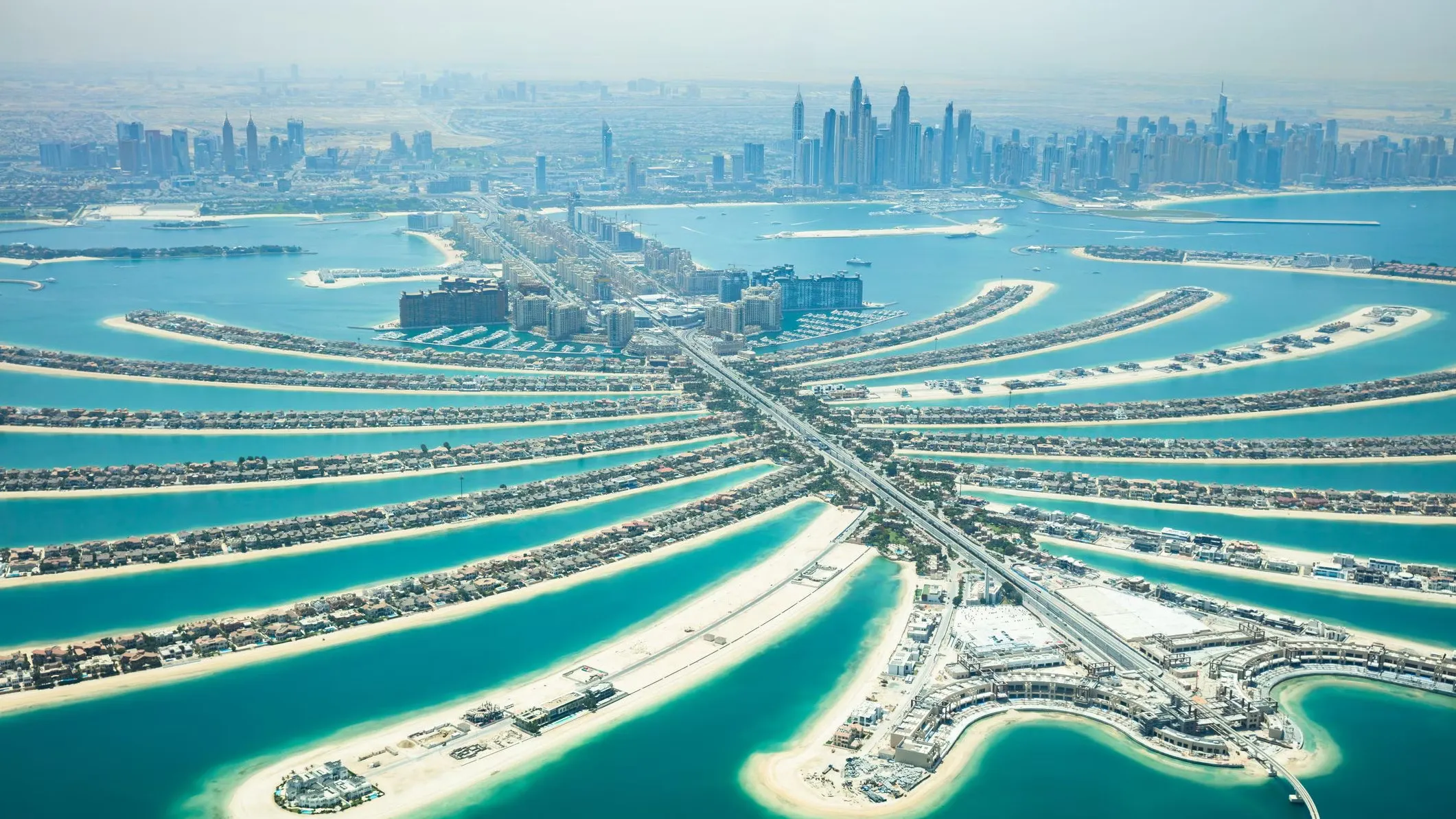
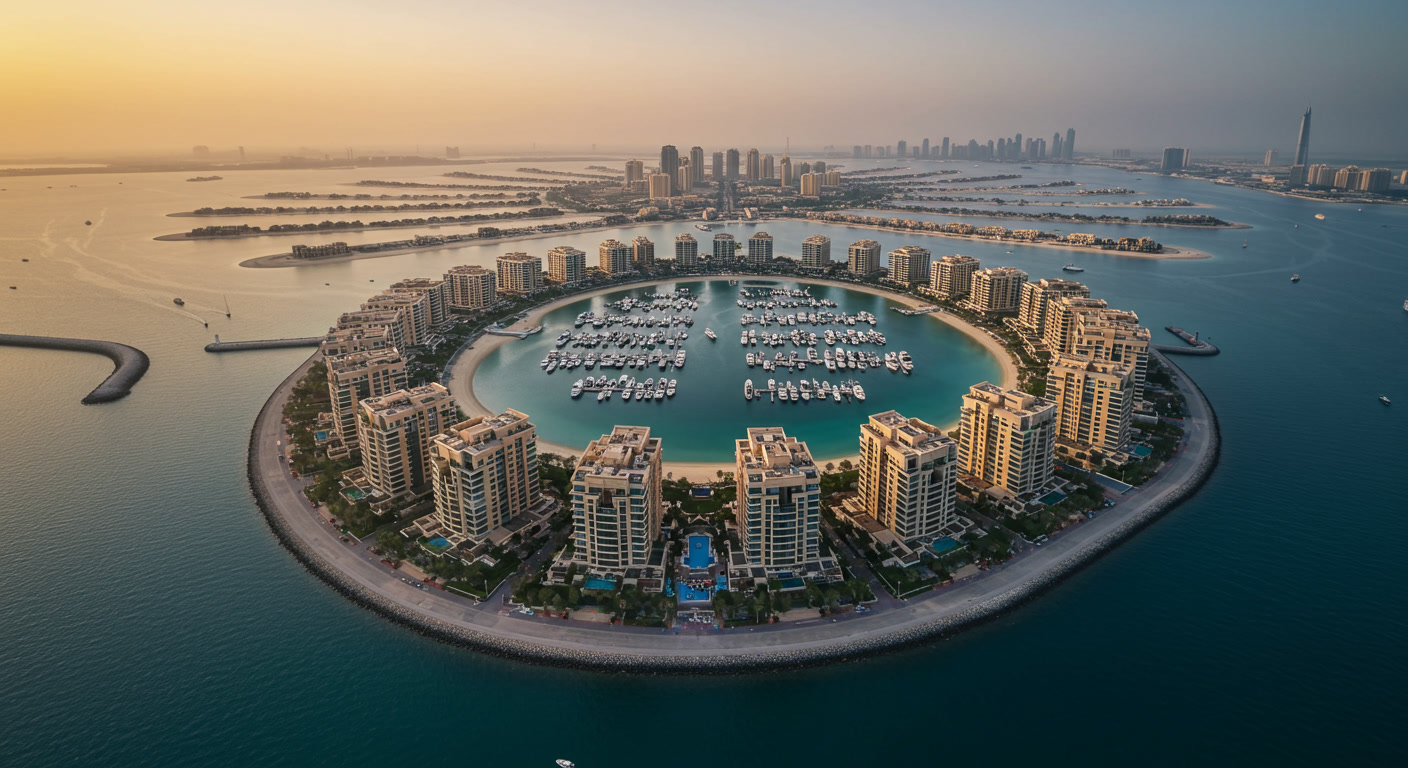
Fourth, the narrative matters most to the exact audience Astraterra targets. Internationally minded investors often want a market that attracts wealth during uncertainty, not only during easy-money periods. A stronger sovereign story can improve confidence in long-term holding decisions, especially for buyers looking at Business Bay, Downtown Dubai, Dubai Marina, Palm Jumeirah, Dubai Hills Estate, and well-performing parts of JVC.

In practical terms, this does not mean investors should buy indiscriminately. It means the top-tier assets in Dubai may become even easier to justify within a global capital-allocation framework.

Looking for Dubai property advice?

Get a free consultation from our RERA-certified team

💬 WhatsApp Us — Free Consultation

What smart buyers should actually do now

The best response is not to chase the headline. It is to tighten asset selection. In this kind of macro environment, we prefer properties that are easy to explain, easy to rent, and easier to exit. That usually means ready units in established demand corridors, select near-handover stock with visible completion risk, and buildings where tenant demand is already proven instead of assumed.

Areas like Downtown Dubai, Dubai Marina, Business Bay, Dubai Hills Estate, and stronger-performing JVC clusters are easier to underwrite because demand is visible and comparable evidence is deeper. In Downtown, tenant and owner-occupier demand remains linked to prestige, centrality, and limited substitute stock. In Dubai Marina, the combination of recognisable branding, waterfront lifestyle, and tenant familiarity still supports strong depth. In Business Bay, buyer liquidity is helped by proximity to DIFC and Downtown. In Dubai Hills, end-user demand gives additional stability. In JVC, yield remains attractive when the building is chosen carefully.

Joseph’s take is simple: use big geopolitical news as a narrative filter, not as a substitute for due diligence. The best deals still come from pricing discipline, building selection, layout quality, service-charge awareness, and choosing stock that would remain rentable even if sentiment cooled for a quarter or two.

That is why we are still prioritising assets where rental maths are visible today, not only projected on a glossy brochure. If a property can carry itself on tenant demand, community depth, and sensible acquisition pricing, then a stronger UAE narrative becomes an advantage layered on top, not the sole reason for the purchase.

The contrarian view: this is not a free pass to overpay

A stronger UAE narrative can attract more attention, but attention alone does not justify paying any price. In fact, when a macro story becomes widely repeated, weaker stock often gets dressed up as a strategic opportunity. That is exactly when investors need to slow down and become more selective.

We are particularly cautious around units with thin tenant pools, exaggerated short-term rental assumptions, weak layouts, overly optimistic capital-growth projections, and service-charge burdens that quietly eat into net yield. A powerful national story can lift inquiry levels, but it cannot repair a weak asset, a poor building, or an unrealistic exit assumption.

The contrarian edge in 2026 is not being first to repeat the headline on LinkedIn. It is being more selective than the market while everyone else is distracted by the macro story. That means focusing on entry price, micro-location, building reputation, rental comparables, and who your likely buyer or tenant will be if you need to exit in twelve to thirty-six months.

If anything, a major geopolitical narrative should make investors more disciplined, not less. The best macro stories attract capital. The best investors still care about the plumbing underneath the story.

What this means for international investors considering Dubai

For buyers from the UK, Europe, India, Africa, and the GCC, the practical message is that Dubai continues to benefit when the UAE looks strategically coherent and economically self-directed. International capital values speed, enforceability, infrastructure, banking access, quality of life, and a clear national direction. Dubai already scores strongly across most of those categories.

That is why this kind of development can be useful in investor conversations, founder positioning, and selective outreach. The important part is how you frame it. Dubai is not only a yield market. It is increasingly a capital-allocation market for globally mobile investors who care about resilience, legal clarity, tax efficiency, and the ability to move between lifestyle and investment logic in one jurisdiction.

From an Astraterra perspective, the most investable story right now remains calm rather than sensational. Focus on quality ready stock, near-handover assets with disciplined pricing, and communities where real tenant demand already exists. If the UAE’s broader strategic posture becomes more confident, those assets become easier to defend in an investment memo and easier to explain to a conservative decision-maker.

If you are evaluating Dubai this quarter, the right move is to look at real stock, current yields, service charges, developer quality, handover risk, and likely exit depth. Use the macro shift as context, not as blind conviction. The market will still reward selectivity more than excitement.

Disclaimer: This article is for informational purposes only and does not constitute financial, legal, or investment advice. Policy developments and market conditions can change quickly, and buyers should verify facts independently before making any purchase decision.

If you want a shortlist built around stability, rental resilience, and exit safety, Astraterra Properties can prepare one based on your budget, timeline, and preferred area. Visit Astra Terra Properties, review our guide on ready vs off-plan in Dubai, explore best areas for stable rental demand, or contact Joseph directly on WhatsApp at +971 58 558 0053.

🌍 Investing in Dubai from Abroad?

We help international investors navigate Dubai's off-plan market. Free video consultation with Joseph Toubia, RERA licensed broker (BRN 54738).

WhatsApp: +971 58 558 0053Explore Dubai Areas

KEEP READING

J

Joseph Toubia

Founder & CEO | RERA Certified Agent | Astra Terra Properties

Joseph Toubia is the founder and CEO of Astra Terra Properties, a full-service real estate agency headquartered in Business Bay, Dubai. With years of hands-on experience in the Dubai property market and RERA certification, Joseph specialises in helping buyers, investors, and tenants navigate the UAE real estate landscape with confidence.

📞 +971 58 558 0053✉️ info@astraterra.ae🌐 View Profile💬 WhatsApp Joseph

Quick answer

UAE Strategic Autonomy and Dubai Real Estate: What May 2026 Means for Investors focuses on UAE Strategic Autonomy and Dubai Real Estate: What May 2026 Means for Investors, with practical guidance on area selection, rental resilience, service charges, livability, and resale logic for Dubai buyers in 2026.

Helpful next steps

Browse all blogsBuy property in DubaiRent property in DubaiNew off-plan launchesContact Astraterra

Ready to Invest in Dubai Property?

Browse our curated selection of off-plan projects with flexible payment plans from 10% down, or explore ready properties for sale across Dubai.

Browse Off-Plan Projects →Buy Ready Property →
Get Free Consultation