
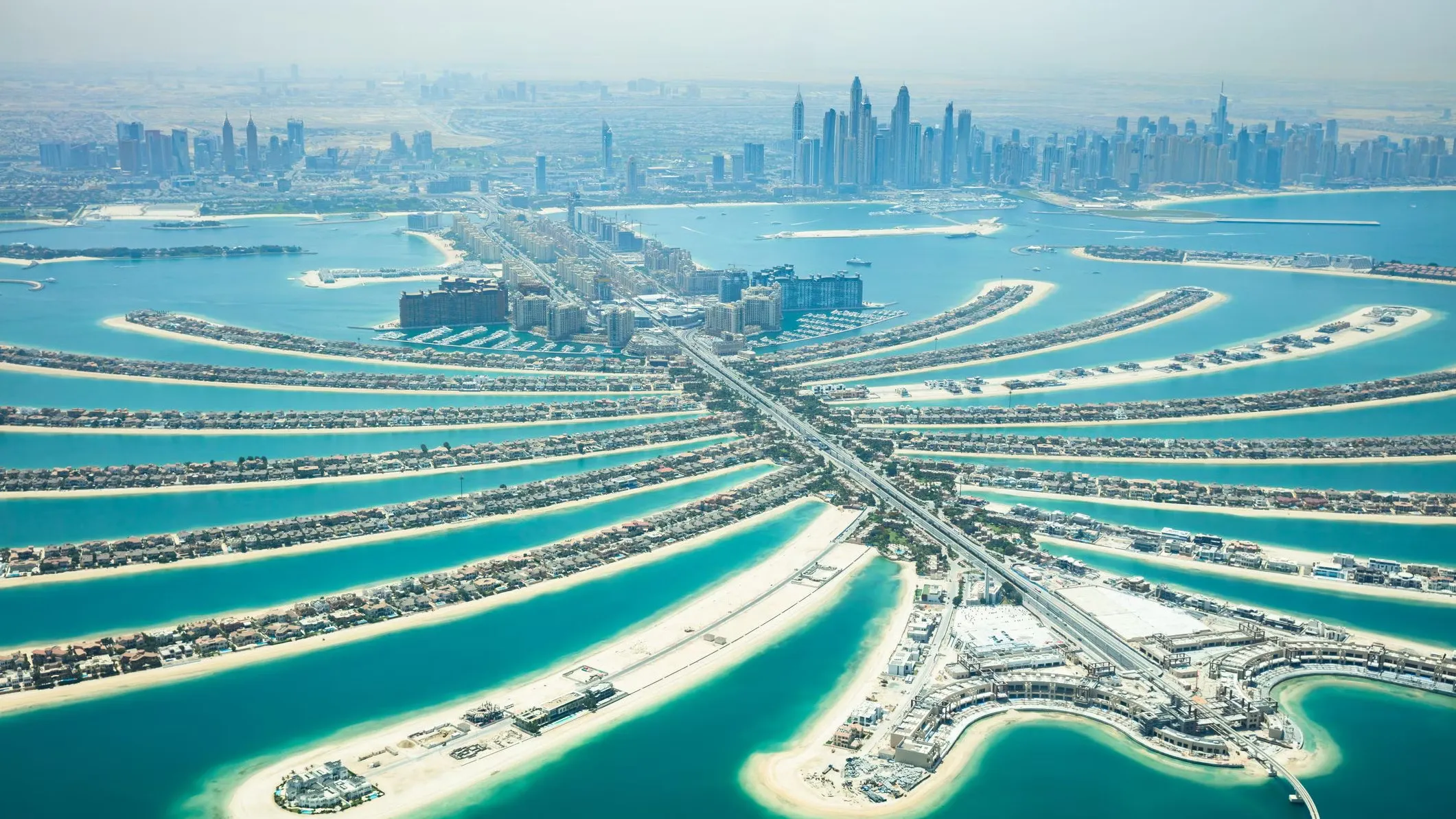

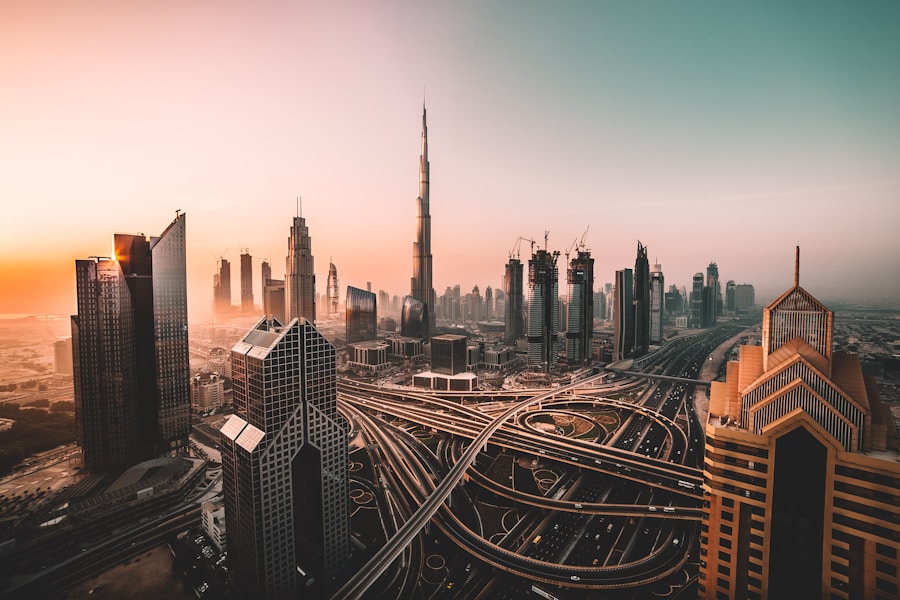
Khaleej Times reported that Burj Khalifa, Jumeirah Beach Residence and Town Square recorded the steepest annual apartment price declines in July 2026, with Burj Khalifa down 19% year on year, JBR down 15.1% and Town Square down 8.4%. The same report said apartment values eased 0.2% month on month, leaving the segment 4.2% below the same point last year. That is not the language of panic. It is the language of a market that is repricing after a very strong run.
What makes the update more interesting is that the cooling was not universal. The same ValuStrat data highlighted some communities still posting positive momentum, including Dubai Silicon Oasis, which gained 1.3% month on month and led annual growth at 6%. Dubai Sports City was up 5.4% year on year, while Al Quoz Fourth rose 5%. That spread matters because it tells you the market is no longer moving in one straight line. It is separating the stock that deserves a premium from the stock that needs to earn it.
The transaction mix also supports that interpretation. Ready-home transactions rose 11.4% month on month to 3,546, while off-plan sales still accounted for 72.8% of residential deals in July. In other words, the market remains active, but buyers are behaving more selectively. They are not disappearing. They are choosing more carefully.
That shift is also showing up in supply. Gulf News reported that Dubai added 24,800 homes in the first half of 2026 and that another 32,000 units were expected in the second half. That kind of delivery pipeline changes the psychology of the market. When buyers know more homes are coming, they stop accepting every asking price as inevitable. Sellers have to work harder to justify value, and buyers get to compare more options before committing.
For me, the practical lesson is simple: apartment buyers should stop asking whether Dubai is “hot” or “cold” in the abstract. The real question is which building, which tower stack, which layout and which service-charge profile still deserve the price being asked today.