
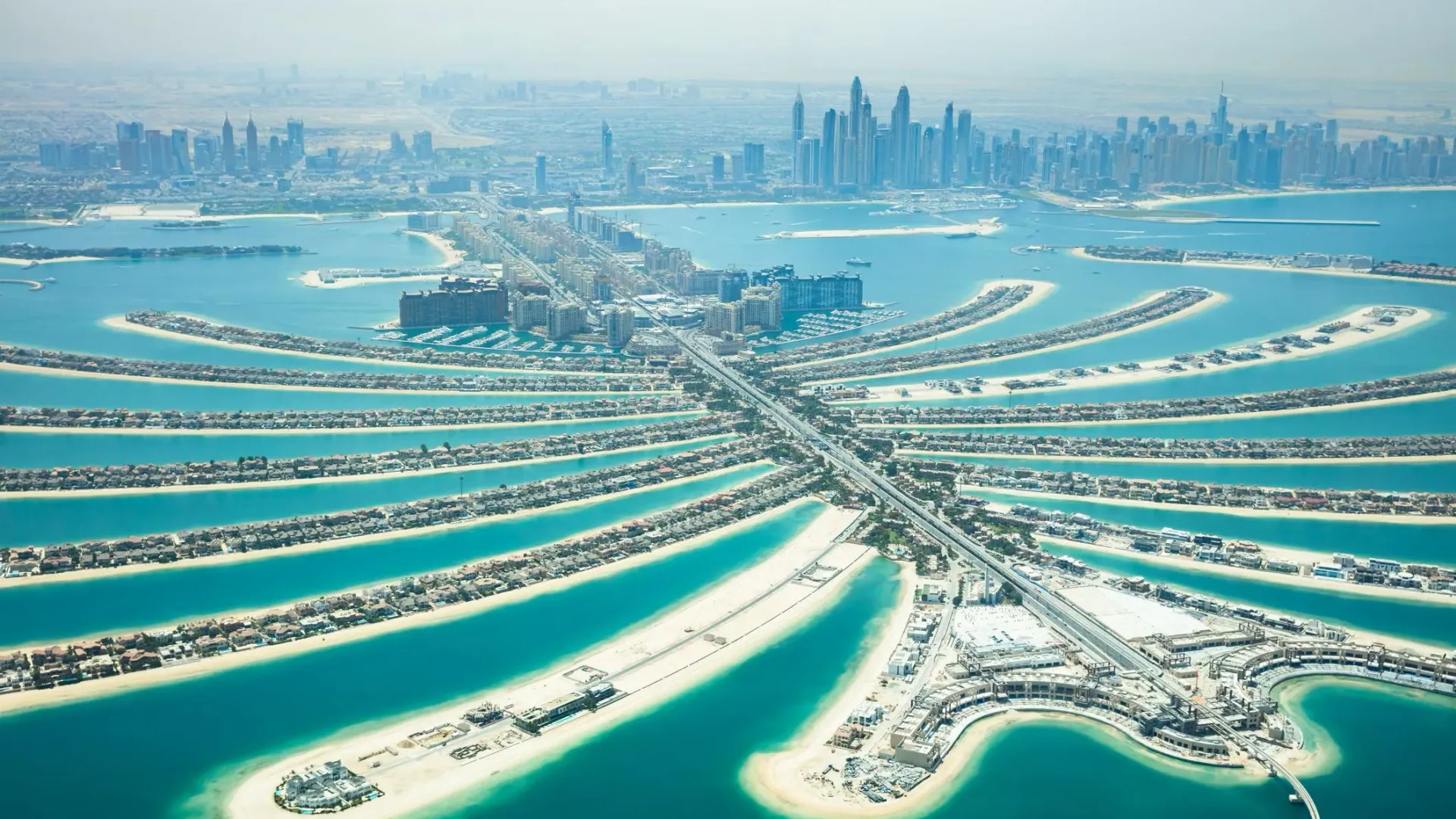

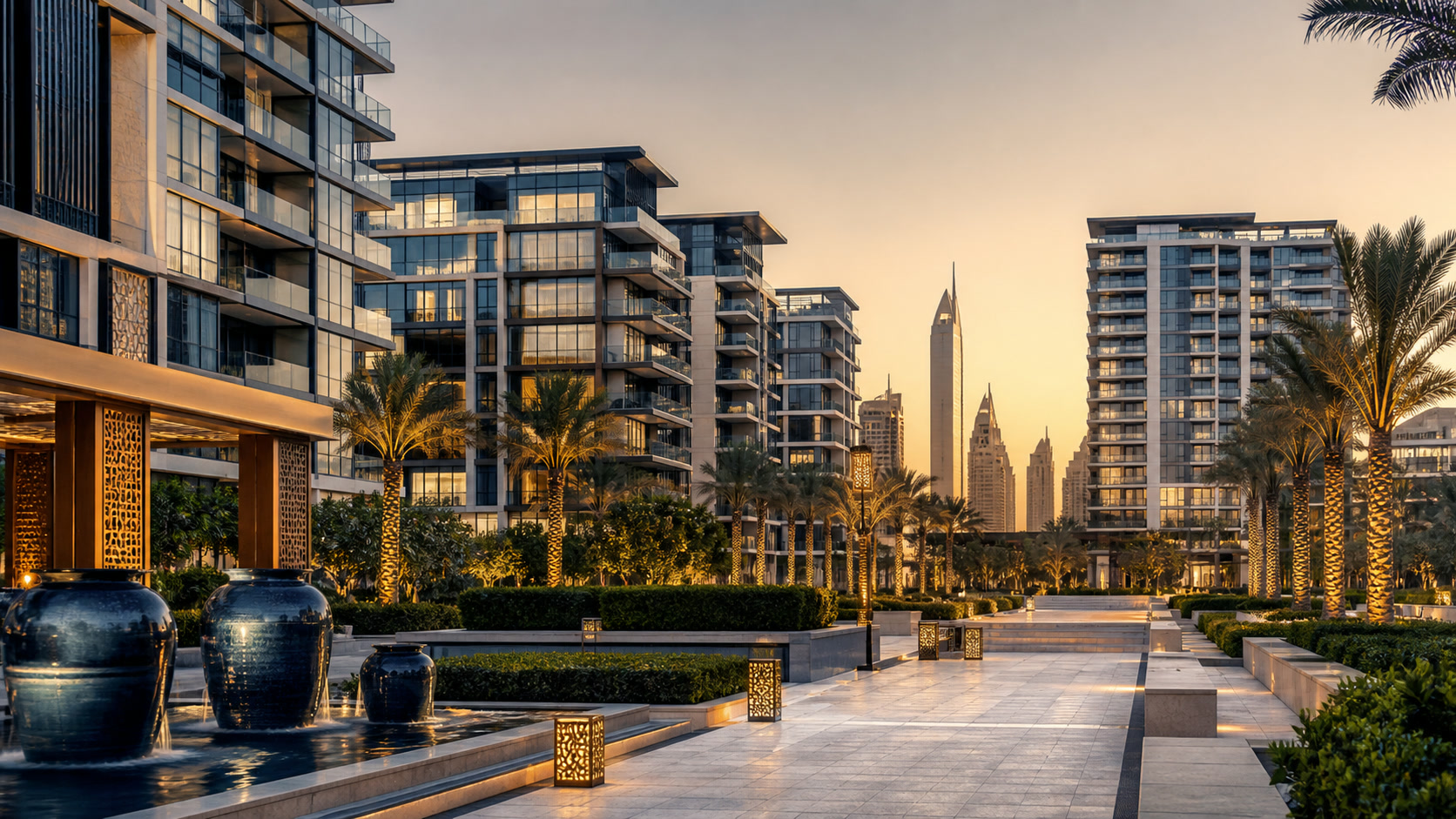
The National reported on August 20, 2026 that investments in completed Dubai property projects reached $30.2 billion in the first half of 2026, up 52% year on year. Gulf News added that Dubai completed 104 real estate projects in H1 2026 worth about Dh111 billion and delivered more than 24,000 new units. Those are not small numbers. They tell us that completed stock is no longer a fallback option for cautious buyers. It is becoming the preferred route for buyers who want the market to be visible before they commit.
That matters because Dubai is also adding more choice across the pipeline. Gulf News reported that the emirate attracted 186 new property developers in the first seven months of 2026, while the broader market absorbed a large wave of new homes in H1. More choice usually sounds good, but it also makes buyers more disciplined. When there are more projects to compare, a glossy brochure stops being enough. Buyers start asking whether the building is actually finished, whether the community is usable, whether the service charges make sense and whether the resale story is clear.
That is why I read the completed-project numbers as a premium signal rather than a simple volume story. A buyer is not just paying for bricks and mortar. They are paying for fewer unknowns. If the market is willing to place more than $30 billion into completed assets, it is telling us that certainty now has a price tag.
For investors comparing live options, the most useful starting points are our current properties page and the broader buying guidance in our buyer resources. The right completed asset should look obvious once you model occupancy, ease of use and exit liquidity. If it only looks good in a brochure, it is probably not the right one.
Why certainty now carries a premium
Why certainty now carries a premium
In 2026, the market is rewarding projects that have already proved they can be delivered. That sounds obvious, but it is a meaningful shift. During a faster, more speculative phase, buyers often accept some execution risk in exchange for a lower entry price or a longer payment plan. In the current market, that trade-off is getting harder to justify unless the project has an exceptionally strong location or developer profile.
There are three reasons for that shift. First, buyers have more supply to compare. When more homes are available, the gap between a believable project and a vague one becomes easier to see. Second, service charges and operational costs matter more once buyers are looking at real buildings rather than drawings. Third, exit liquidity improves when the asset is easy to understand. A completed apartment or villa is easier to explain to a future buyer than an off-plan promise that still has to survive handover risk.
That is also why proven handovers are getting more attention than launch hype. When a project is finished, the buyer can inspect the common areas, parking, views, unit layout and actual finishing quality. They can also compare the asset against live rent and resale data. Those details are not glamorous, but they are what make capital stay in the market when sentiment gets more selective.
The same logic shows up in related stories we have been tracking. Our recent post on completed family communities showed how handover certainty is starting to beat launch theatre in the family segment. Our earlier piece on ready homes made the same point from a pricing angle: buyers want assets they can actually value, not just imagine. This August 21 signal says the same thing at scale.
In practical terms, that means the buyer is paying a premium for proof. Proof that the building works. Proof that the community is settled. Proof that the unit can be occupied, rented or resold without waiting for the developer to finish the story.
Where disciplined buyers should look next
Where disciplined buyers should look next
If you are buying in Dubai right now, the correct question is not, "Is the market hot?" The more useful question is, "Which asset still looks sensible after I remove the brochure and the sales pitch?" That is where completed projects become important. They give you a real building, a real community and a real operating cost base.
Ready apartments in established communities are still one of the safest starting points because they let buyers see the asset in full daylight. If the building has usable amenities, clean common areas and predictable service charges, the case is much easier to underwrite. Completed villa communities can also be powerful when the location, access and family infrastructure are already in place. Buyers do not need to imagine the future. They can live it immediately.
For comparison, our post on ready stock for overseas buyers explained why certainty matters even more when a buyer is managing the process from abroad. The same logic applies to local buyers who value liquidity. If a property can be explained quickly, rented quickly and sold quickly, it is easier to defend in any market mood.
I would also keep an eye on near-completion stock from developers with strong delivery records, but only if the pricing is sensible versus ready alternatives. The temptation in Dubai is always to buy the story that sounds newest. In a more selective market, that is usually the expensive mistake. The better move is to compare the story against completed inventory and ask whether the future project really deserves a higher risk premium.
If you want to see what currently fits that standard, use our live listings and send any shortlist to Astraterra Properties. We can compare it against the completed-project market and tell you whether it is truly premium or just priced that way.
Joseph's take and FAQs
Joseph's take and FAQs
I like completed stock when the market is selective because it removes noise. You do not have to guess about the lobby, the parking, the landscaping or the handover timeline. The asset is what it is. That does not mean every completed property is a good buy. It means the bad ones are easier to spot and the good ones are easier to defend.
The big lesson from today's data is that Dubai is still absorbing capital, but the quality of that capital is changing. Buyers are less interested in betting on unfinished stories and more interested in assets that already function. That is healthy. It pushes the market toward better underwriting and less hype. It also means the best opportunities will increasingly sit where certainty and usability overlap.
Q: Is Dubai's completed-project market still attractive in 2026?Yes. The market is active, liquid and getting more selective, which is exactly where disciplined buyers can still find value.
Q: Why are completed projects drawing more capital now?Because buyers want certainty on delivery, live usability and resale clarity. Those features are worth paying for when supply is deeper.
Q: Should I buy ready stock or off-plan?It depends on your risk tolerance, but ready stock is easier to underwrite and usually easier to compare against live alternatives.
Q: Which assets should I shortlist first?Ready apartments in established communities, completed villa communities with strong infrastructure, and near-completion stock only when the pricing clearly compensates for the risk.
Q: What is the biggest mistake buyers make?They pay launch pricing for a story when the market is already rewarding proof. In 2026, the building matters more than the brochure.
If you want a second opinion on a unit, tower or community, send the details to +971 58 558 0053 or visit Astraterra Properties. We can compare it against the live market and tell you whether it deserves your attention.
Related reading: Dubai renovation ROI in 2026, Dubai ready homes 2026 and Jebel Ali Village handovers in 2026.