← Back to Blogs
June 9, 2026

Dubai launch slowdown 2026: why serious buyers are becoming more analytical, not less active

By Joseph Toubia | RERA Certified Agent | Astra Terra Properties
9 min read
Dubai launch slowdown 2026: why serious buyers are becoming more analytical, not less active

Dubai launch slowdown 2026 is the headline catching attention this week, but I think the more useful interpretation is that buyers are becoming more analytical rather than disappearing. The freshest June reporting across The National, Gulf News, Khaleej Times and wider market coverage points to a familiar pattern in maturing markets: launch momentum softens first, while serious capital keeps moving toward assets that still make sense on pricing, yield, delivery, and long-term resale logic.

The National’s June 9 coverage asked whether project launches have slowed because of the Iran war. That framing matters because it reflects a real market hesitation, especially around timing and launch appetite. But the same broader media stack also shows that buyers have not simply left the market. Gulf News reported that buyers are becoming more analytical and value-focused. Khaleej Times described a two-speed market where selective cooling is happening while demand remains steady, technology themes such as tokenisation keep supporting long-term confidence, and not every asset is being rewarded equally anymore.

That combination is exactly what experienced buyers should expect after a very strong run. When a market matures, launch velocity often cools before underlying demand fully weakens. Buyers stop paying any price for any brochure. They start comparing developer credibility, service charges, completion risk, rental depth, and whether a unit still works if appreciation normalises. In my view, that is not bearish by itself. It is healthy.

The dangerous mistake is reading launch slowdown as a broad collapse signal. The stronger interpretation is that Dubai is becoming less forgiving of weak stock and less responsive to launch-day hype. That gives serious buyers more leverage, but only if they use it with discipline.


What happened

The June signal comes from several pieces aligning at once. The National highlighted that regional war headlines and changing buyer confidence have coincided with a slower launch environment. Gulf News sharpened the buyer-side angle by describing a market where purchasers are becoming more analytical and more value-sensitive. Khaleej Times added the broader context: selective cooling is underway, but deal flow, investor interest, and structural confidence in Dubai real estate are still intact. Earlier 2026 reporting also showed strong official Q1 momentum, with Dubai Land Department recording AED252 billion in transactions across 60,303 deals and major foreign-investment participation.

Put together, that reads less like a demand collapse and more like a filtering process. The market is not rewarding every launch equally anymore.

There are a few reasons this shift makes sense right now. First, supply visibility is much clearer than it was during the hottest phases of the market. Buyers know more stock is coming, and that changes psychology. When people expect wider choice, they become harder to rush. Second, regional uncertainty always affects timing even when long-term conviction remains intact. Third, price growth has already cooled enough that buyers no longer feel forced to buy just to keep up with momentum. That changes how they evaluate launch risk.

What replaces urgency is analysis. Buyers start asking more useful questions: is the developer actually likely to deliver well; will the service charges damage net yield; does this unit sit in a community with proven tenant depth; is the payment plan really helping, or just masking an aggressive launch price; and how crowded will the exit market look by handover? Those are the right questions in 2026.

Another reason launch appetite cools is that buyers have finally started separating headline confidence from actual unit quality. In a hotter cycle, many investors assume the market will rescue mediocre choices. In a more selective cycle, the details suddenly matter again. Corner versus internal layout, real balcony usability, service-charge efficiency, parking convenience, school access, metro reach, short-term resale competition, and building management history all become decision-making factors instead of footnotes. That is a big shift, and it generally leads to fewer impulsive launch reservations.

This is why completed and near-handover stock look more attractive than they did when launch frenzy was stronger. A good ready unit in Business Bay, Jumeirah Village Circle, Dubai Hills Estate, Downtown Dubai, or selected Dubai Marina buildings may now offer a cleaner risk-adjusted entry than a generic off-plan release in a supply-heavy corridor. That does not mean off-plan is dead. It means off-plan has to earn its place again.

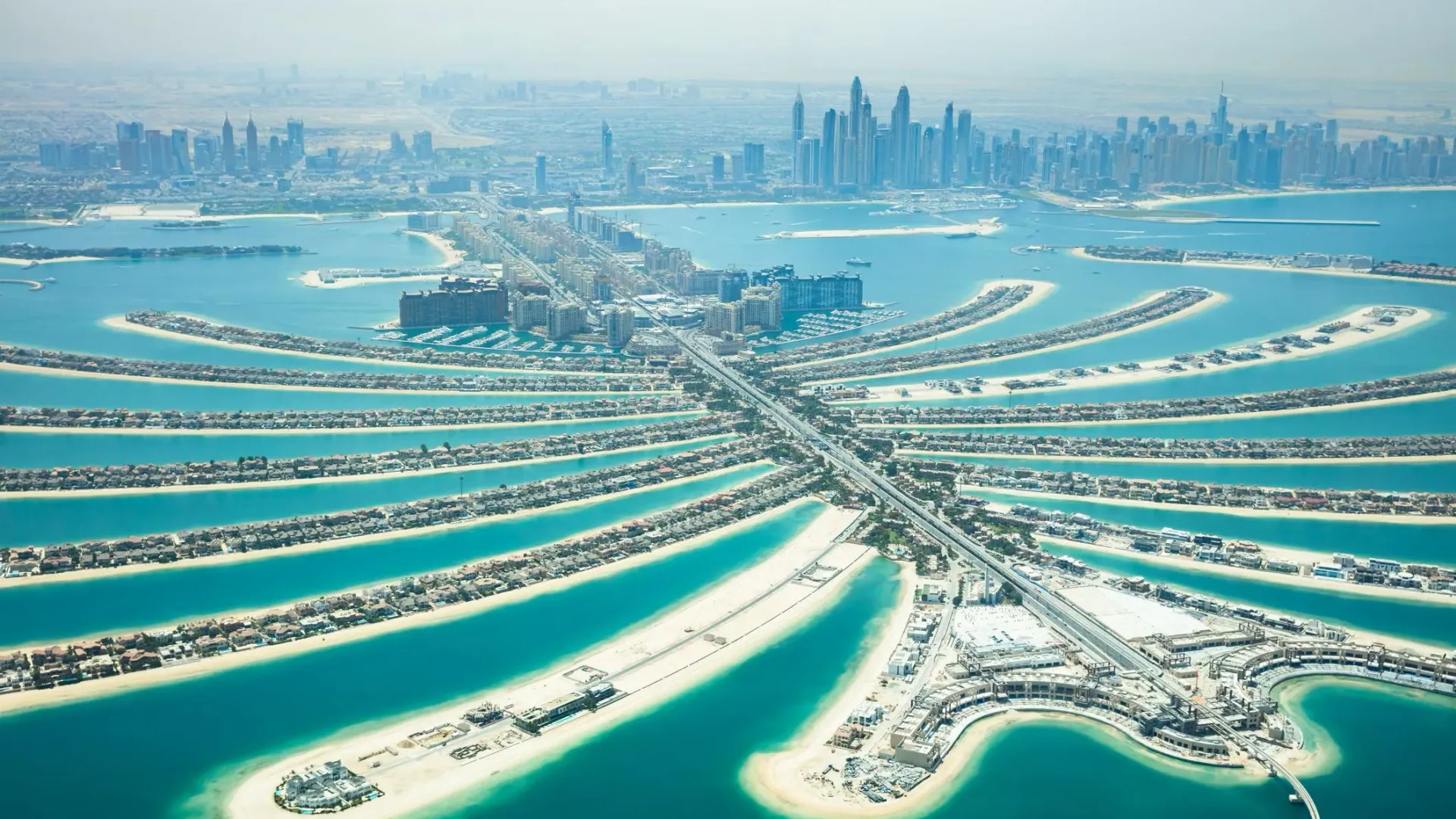
It also explains why prime and trophy product can keep moving even while broader launch appetite slows. Wealthy buyers often pay for certainty, scarcity, and location clarity. A branded waterfront unit, a rare Palm Jumeirah property, or a truly strong Downtown residence does not compete on the same logic as a mid-market launch in an oversupplied zone.

If you compare this with our earlier analysis on Dubai’s 2026 buyer window and our guide to why buyers are gaining leverage while off-plan demand stays strong, the deeper pattern is consistent: demand is still there, but buyers now want stronger reasons to commit.

There is also a psychology advantage for disciplined buyers here. When launches slow, sales teams often need to work harder to maintain momentum. That can translate into better unit selection, cleaner booking flexibility, or more room to question assumptions without losing the opportunity immediately. Buyers who come prepared with comparable evidence and a clear holding strategy are in a stronger position than they were a few quarters ago.

Why it matters for Dubai real estate

This matters because a selective launch market is usually better for disciplined buyers than an overheated one. It rewards evidence over excitement. It also widens the performance gap between strong and weak assets. In practical terms, that means brokers, developers, and investors all have to think harder. A good market can still exist while easy assumptions stop working.

Joseph’s Take: I still think Dubai remains one of the strongest markets in the region to allocate into, but I would not buy a launch today just because the payment plan looks flexible or the render looks polished. In this phase, the right asset can still perform very well. The wrong one can feel crowded before handover even arrives. The market is rewarding disciplined speed now, not emotional speed.

The smartest response is to sort opportunities into lanes. Lane one is completed stock in proven leasing corridors where you can verify rent, building quality, and resale depth today. Lane two is near-handover stock where execution risk is limited and the pricing still leaves room. Lane three is prime scarcity-driven stock where the buyer knows they are paying for rarity and long-term defensiveness. Lane four is off-plan, but only where the developer has real credibility and the project still works in a flatter exit environment.

For most buyers, lanes one and two deserve more attention right now than broad launch chasing. In Business Bay, centrality and liquidity still matter. In JVC, building selection and service-charge discipline matter more than ever. Dubai Hills Estate remains one of the better end-user and family-demand districts. Downtown Dubai and Palm Jumeirah can still make sense for buyers focused on prestige and capital protection, but mistakes there are expensive, so precision matters.

What I would avoid most is confusing “more choice” with “no urgency.” The best market windows often feel calm right before the strongest individual deals disappear. When a seller is realistic, the building is good, the numbers work, and the exit path makes sense, hesitation can still cost more than caution. Analytical buyers win when they prepare their criteria in advance, not when they endlessly wait for perfect headlines.

Best response and strategy now

1. Treat launch slowdown as leverage, not as a reason to panic. If developers or sellers need conviction, better terms and sharper pricing may become more available.

2. Underwrite net returns properly. Focus on net yield after service charges, realistic rents, vacancy assumptions, and likely resale competition.

3. Prioritise proven communities. Use areas with real leasing and resale depth such as Business Bay, Downtown Dubai, and stronger family-led districts as anchors for comparison.

4. Be selective with off-plan. Developer quality, escrow structure, completion credibility, and future supply pressure all matter more now.

5. Move when the evidence is clear. More analytical does not mean permanently passive. The best units still get taken by buyers who are ready.

If you are early in your search, start with our Dubai buyer advisory page and compare ready versus off-plan options against the same budget and hold period. That kind of side-by-side review is exactly what this market now rewards.

Frequently asked questions

Are Dubai project launches slowing in 2026? Fresh June 2026 reporting suggests some slowdown in launches and launch momentum, especially amid regional tension and more selective buyer behaviour.

Does a launch slowdown mean Dubai demand is weak? Not necessarily. The broader evidence points to demand becoming more analytical and quality-sensitive rather than disappearing.

Why are buyers more analytical now? They have more choice, more visible supply, slower price momentum, and more reason to assess quality, yield, and completion risk carefully.

Is off-plan still worth buying? Yes, but only selectively. Strong developers and strong micro-markets can still perform well, while generic launches face more pressure.

What looks strongest right now? Completed and near-handover stock in proven leasing and resale communities often offer the cleanest risk-adjusted setup in this phase.

Should buyers wait for a bigger correction? Waiting without a thesis can backfire. A selective market often rewards targeted action on the right asset more than indefinite delay.

Sources

The National, June 9 2026: reporting on whether Dubai launches have slowed because of the Iran war.

Gulf News, June 2026: buyer behaviour coverage describing purchasers as more analytical and value-focused.

Khaleej Times, June 2026: selective cooling, steady demand, and market innovation context including tokenisation and maturing buyer behaviour.

Dubai Land Department Q1 2026: AED252 billion in transactions across 60,303 deals, reinforcing that Dubai remained highly liquid entering Q2.

If you want help comparing ready, near-handover, or selective off-plan opportunities, review our buyer advisory page or contact Astraterra Properties for a live shortlist built around your budget and strategy.

J

Joseph Toubia

CEO & Founder, Astra Terra Properties

RERA-certified real estate professional (BRN 54738) specialising in Dubai off-plan properties, investment advisory, and Golden Visa guidance. Based in Dubai.

View full profile →+971 58 558 0053info@astraterra.aeWhatsApp Joseph

Related Tools & Resources

Free calculators and guides to help you make smarter property decisions in Dubai.

Ready to Invest in Dubai Property?

Browse our curated selection of off-plan projects with flexible payment plans from 10% down, or explore ready properties for sale across Dubai.

Browse Off-Plan Projects →Buy Ready Property →

More Insights

Browse off-plan properties → · Use our free calculators → · UAE Golden Visa guide →

Back to All Blogs
Get Private Shortlist + ROI on WhatsApp