← Back to Blogs
July 27, 2026

Dubai luxury sales H1 2026: why 296 home sales above $10m still matter for serious buyers

By Joseph Toubia | RERA Certified Agent | Astra Terra Properties
5 min read
Dubai luxury sales H1 2026: why 296 home sales above $10m still matter for serious buyers

What the H1 luxury sales number is really telling the market

Dubai luxury sales H1 2026 reached a level that still surprises people who only watch the market through headlines. Gulf News reported that Dubai recorded 296 home sales above $10 million in the first half of the year, with total value around $5.1 billion. That is not just a trophy statistic. It is a signal that the top of the market is still deep enough to absorb serious capital, even while the broader market is becoming more selective.

Why does this matter to a buyer who is not spending $10 million? Because the luxury segment often tells you whether capital is confident, whether global wealth still trusts Dubai, and whether the city is still behaving like a destination where long-term preservation of value feels rational. When ultra-prime keeps trading, it usually means the people with the most flexibility are still comfortable allocating money here. That tends to support the broader market’s confidence as well.

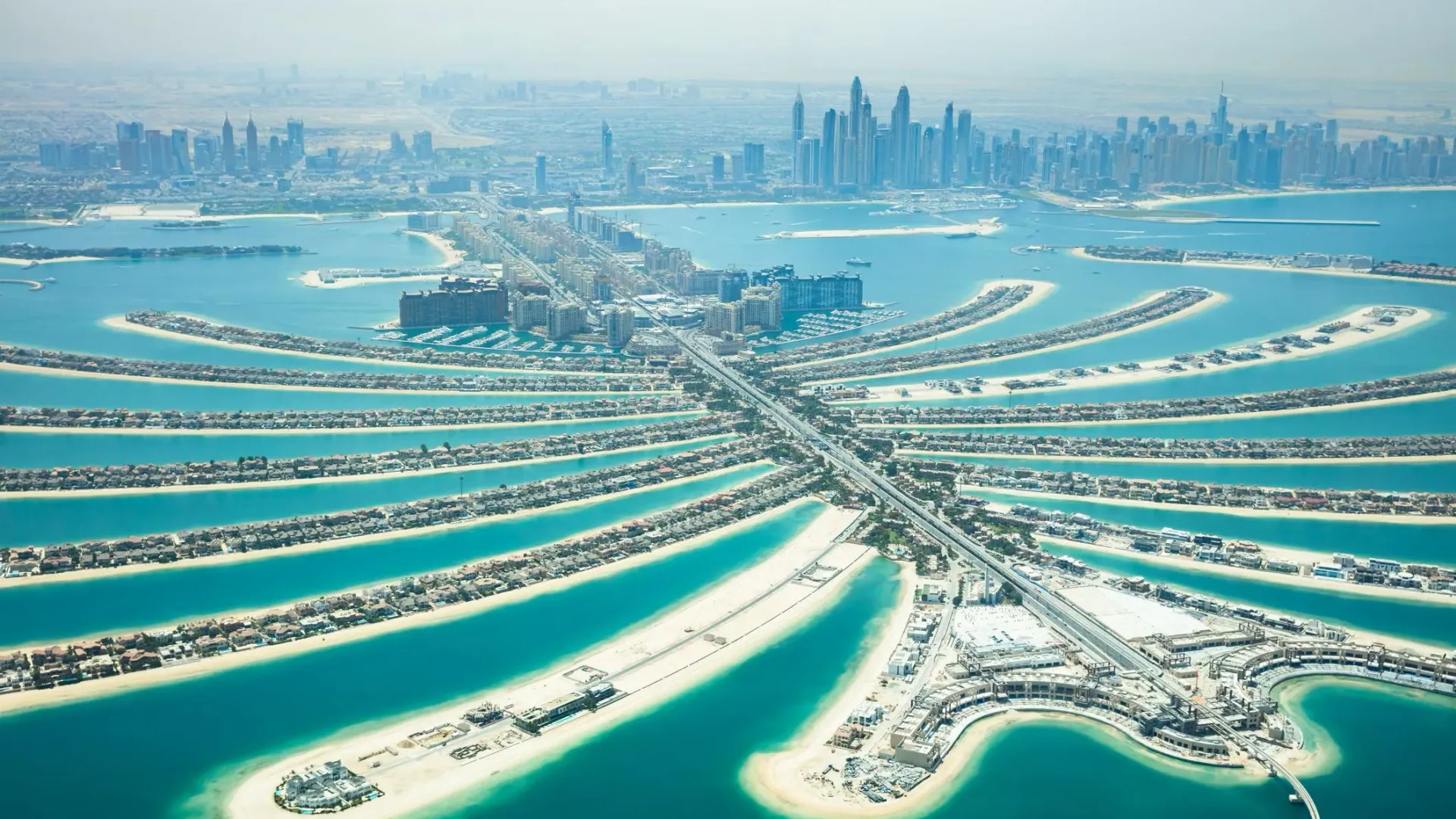
The mistake is to treat luxury as a disconnected island. It is not. When Palm Jumeirah villas, Downtown penthouses and other premium assets keep trading, that activity influences seller psychology across the city. It shapes what owners think their units are worth, what developers believe they can launch at, and how quickly a cautious buyer needs to move when a high-quality asset appears.

For broader context, start with our latest Dubai properties and compare them against our July 2026 buyer guide if you want to see how luxury demand fits into the wider market cycle.
Why these deals matter even if your budget is far below $10 million

Luxury transactions create a pricing and confidence halo. If the city can still close nearly three hundred transactions above $10 million in six months, then the market is clearly not starved of capital. That matters for mid-market sellers because it reinforces the idea that Dubai remains a credible place to park wealth. It also matters for family buyers and investors because it reduces the chance that the city’s narrative flips from growth to panic overnight.

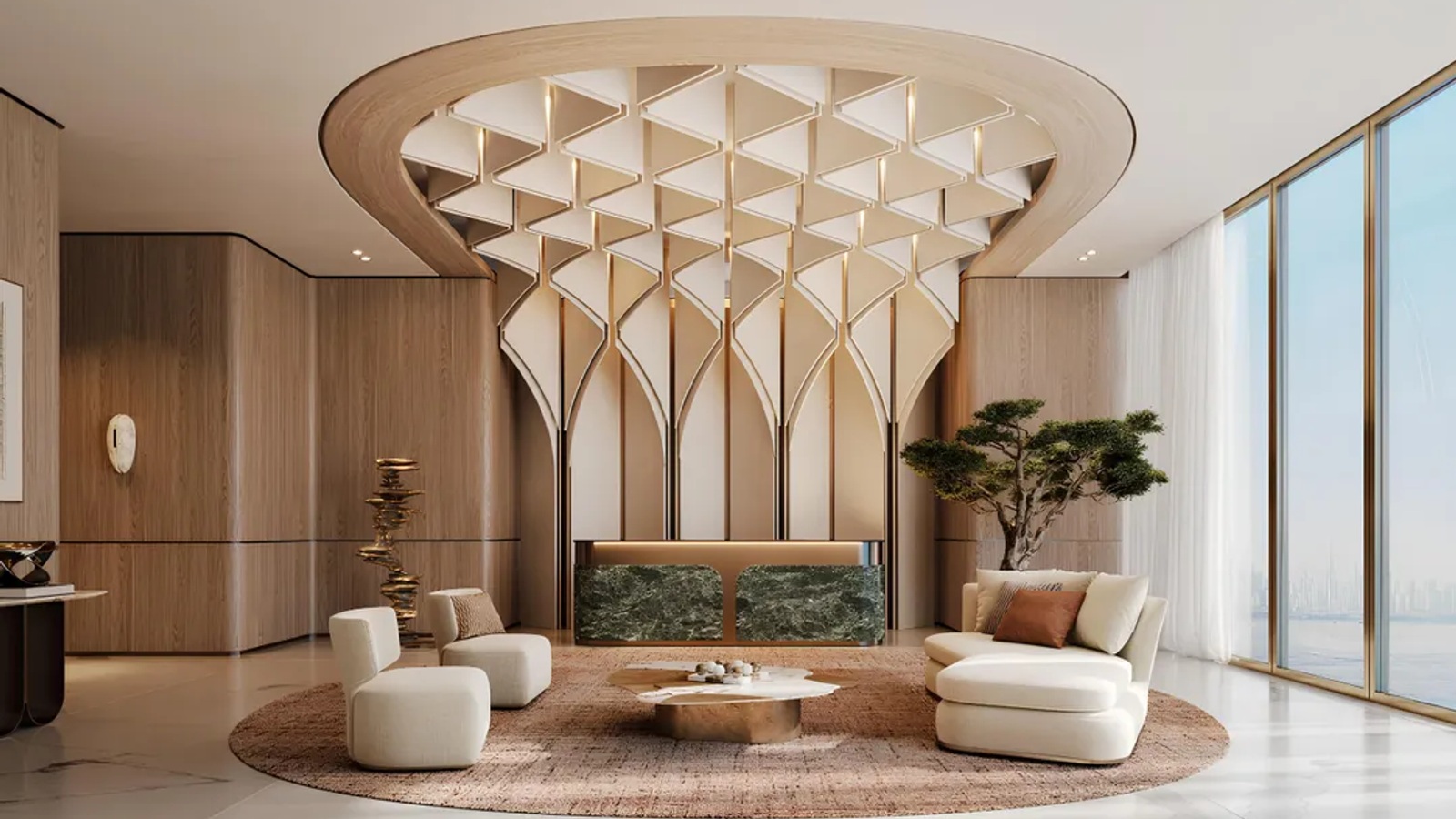
There is also a practical effect. Premium buyers tend to be less price-sensitive, but they are more quality-sensitive. They demand stronger design, better locations, credible views, privacy and service. When that part of the market moves, it reminds everyone else that Dubai is still competing globally with places like London, Miami and Singapore for serious money. That pressure pushes developers to keep improving product, and it gives well-located communities more support than weaker ones.

For a serious buyer, the lesson is to separate status from substance. A luxury headline should not make you overpay for a weak asset. The right response is to ask which buildings have genuine scarcity, which communities have durable demand, and which units could still be easy to resell if the market becomes more selective later in the cycle. That is why I keep telling clients to underwrite the exit before they fall in love with the view.

If you are narrowing your shortlist, compare prime and mid-market assets side by side on buy-side opportunities, then use the luxury segment as a benchmark for where confidence still sits.

Where the strongest signals sit inside the luxury market

Not every luxury submarket behaves the same way. Palm Jumeirah remains the clearest example of scarcity-led demand because waterfront villas and branded residences are limited, emotionally powerful and globally recognisable. Downtown Dubai still attracts buyers who want central prestige, walkability and a trophy address with easier international resale logic. Select parts of Dubai Hills Estate, Jumeirah Bay and branded villa communities also continue to benefit from the same effect: if the product is rare enough, buyers do not need a perfect market to justify a deal.

The more interesting point is what this says about the rest of the market. If capital is still willing to pay at the top, then the mid-market cannot be dismissed as weak just because price growth is slower in some towers. Instead, the market is segmenting. Good homes with good fundamentals still move. Mediocre stock still struggles. That is a healthier market than the one many people fear, because it rewards judgment rather than blind momentum.

For buyers in Dubai Marina, Business Bay, JVC or Dubai South, the luxury headline is useful because it tells you how much confidence exists in the city overall. It does not mean you should chase prestige pricing. It means you can be more deliberate about where value still exists and how much future competition you are likely to face when you want to exit. In other words, the luxury market sets the mood, but your own purchase should still be built on numbers.

Joseph's view: the luxury market is a confidence meter, not a reason to chase status

My take is simple. A city does not record 296 sales above $10 million in half a year unless deep capital believes the destination still has a future. That does not mean every prime listing deserves a premium or that every buyer should stretch for a luxury trophy. It means the top end of the market is still healthy enough to support the brand of Dubai as a global safe-haven city.

For serious clients, the play is not to mimic the ultra-rich. It is to understand what the ultra-rich are telling you. They are telling you that scarcity, privacy, location and execution still command real money. If you can find those qualities in a more accessible price band, you may have a much better buy than the owner of a shiny but weakly positioned asset.

That is exactly how I would use this number in a client conversation. We would compare premium communities, identify the buildings or homes that still have real liquidity, and then work backward to an asset that fits the budget without surrendering quality. If you want that kind of shortlist, send us your target area and price band through contact us and we will narrow it properly.

Frequently Asked Questions

J

Joseph Toubia

CEO & Founder, Astra Terra Properties

RERA-certified real estate professional (BRN 54738) specialising in Dubai off-plan properties, investment advisory, and Golden Visa guidance. Based in Dubai.

View full profile →+971 58 558 0053info@astraterra.aeWhatsApp Joseph

Related Tools & Resources

Free calculators and guides to help you make smarter property decisions in Dubai.

Ready to Invest in Dubai Property?

Browse our curated selection of off-plan projects with flexible payment plans from 10% down, or explore ready properties for sale across Dubai.

Browse Off-Plan Projects →Buy Ready Property →

More Insights

Browse off-plan properties → · Use our free calculators → · UAE Golden Visa guide →

Back to All Blogs
Get Private Shortlist + ROI on WhatsApp