
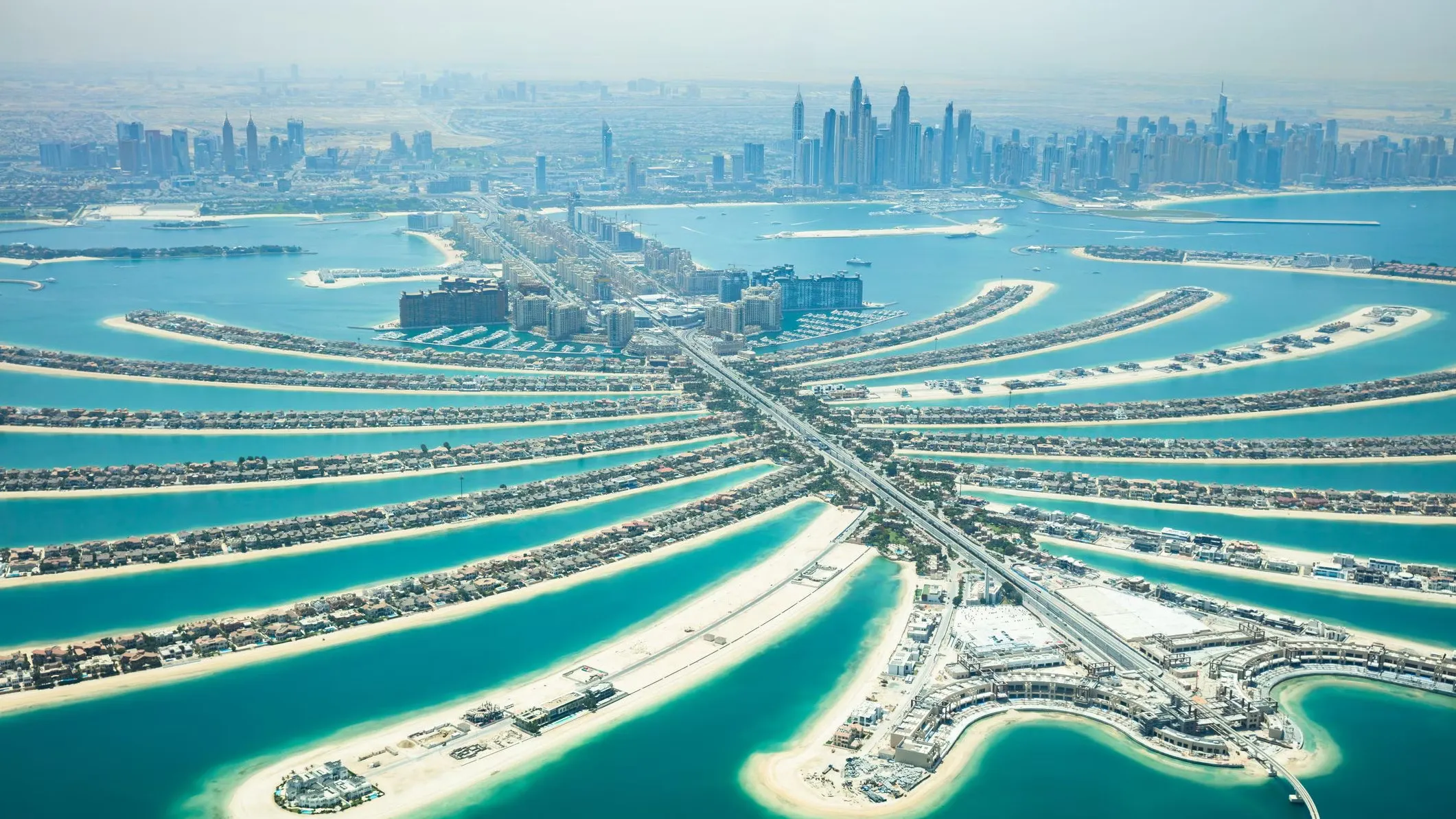

Why Dubai Property Is Still Attracting Safe-Haven Buyers During the 2026 Conflict
Quick answer
💡 Key Takeaways
Why safe-haven capital is still moving into Dubai property
Dubai property safe haven 2026 is not just a search phrase, it reflects what cautious buyers are actively asking in the middle of the current regional conflict cycle. At Astraterra, we are seeing more conversations from buyers who are less interested in chasing the hottest launch and more interested in protecting capital, preserving optionality, and owning an asset in a city that still functions with clarity while the wider region feels noisy.
The important point is this: safe-haven demand does not mean people are buying blindly. It means serious buyers are looking for places where money can sit in a hard asset, rental demand remains deep, title transfer is straightforward, and the broader living environment remains secure, internationally connected, and operational. Dubai still checks those boxes better than most competing regional hubs.
That is why the conversation has shifted from aggressive appreciation forecasts to resilience. Buyers want to know whether they can rent the unit quickly, whether the building will remain liquid on resale, whether the developer or owners’ association is credible, and whether the asset still works if the macro backdrop stays tense for longer than expected.
What buyers mean when they say safe haven in 2026
In this market, a safe-haven property is rarely the flashiest property. It is usually the one with the cleanest downside. That means a location with real resident demand, a building people already know, service charges that do not kill the return, and an entry price that still leaves room for rental performance. In our current buyer calls, that usually points toward ready apartments, established villa communities, or near-handover stock with very limited construction risk.
Dubai has also benefited from a practical advantage that often gets ignored in high-level commentary: execution. Transactions still move. International buyers can still travel in. Tenants still need homes. Schools, retail, banking, and transport remain active. In an environment where uncertainty elsewhere makes even simple decisions harder, that day-to-day normality matters more than many headlines suggest.
2026 data points that explain the resilience
Several 2026 indicators help explain why Dubai keeps attracting defensive capital. CBRE’s Dubai Residential Figures for Q1 2026 reported that average apartment prices were still higher year on year, while villa values also remained above 2025 levels, showing that demand has not disappeared even after the market’s earlier surge. [Source: CBRE Dubai Residential Figures Q1 2026]
Property Finder’s Q1 2026 market reporting also continued to show strong search and lead activity concentrated in high-liquidity communities such as Dubai Marina, Business Bay, Downtown Dubai and JVC. That matters because safe-haven buyers do not only care about price growth. They care about depth of demand. [Source: Property Finder UAE market reporting, Q1 2026]
On the financing side, the UAE dirham’s peg to the US dollar remains a major confidence factor for overseas buyers managing currency risk in 2026. It offers a level of predictability that many international clients value when they are comparing Dubai with markets where currency volatility can wipe out part of the property return. [Source: UAE Central Bank monetary framework, referenced 2026]
At a transaction level, Dubai Land Department activity has also remained relevant in 2026 because title registration and transfer continue to happen within a clear legal framework, which is central to the trust equation. In uncertain periods, buyers place a premium on markets where legal process is familiar, visible and enforceable. [Source: Dubai Land Department transaction and registration framework, 2026]
Finally, the yield story still matters. Across 2026, many mainstream Dubai communities continue to offer gross rental yields that remain competitive by global-city standards, especially in JVC, Al Furjan, Dubai Sports City, selected parts of Business Bay, and mature apartment stock around Marina and JLT. That creates a cushion, because yield is what helps a cautious buyer stay patient. [Source: Bayut and Property Finder rental trend reporting, 2026]
The contrarian point: not all conflict-era demand is bullish
This is where buyers need discipline. More attention on Dubai does not mean every listing is now a safe bet. In fact, conflict-era demand can push some weaker stock into the conversation simply because sellers know buyers are looking for somewhere to place money. We have seen cases where the market narrative is strong but the asset itself is wrong, such as an over-supplied tower, a unit with poor layout, or a long-dated off-plan launch carrying more execution risk than most cautious buyers should accept today.
My view is simple: if the main reason to buy is a dramatic headline rather than the property’s own fundamentals, that is not safe-haven buying. That is emotional buying. A real safe-haven purchase should still look sensible if the headlines calm down six months from now.
Joseph's Take
At Astraterra, I am telling clients the same thing repeatedly in 2026: if you want safety, buy the part of Dubai that is already working. I would rather see a client own a well-located ready apartment in Downtown Dubai, Dubai Marina, Business Bay, JVC or Dubai Hills Estate than chase a glossy promise with a weak handover timeline.
We have also noticed a change in buyer behaviour during this conflict cycle. The strongest buyers are asking better questions. They want service-charge realism, vacancy risk, resale comparables, handover certainty, and tenant depth. That is healthy. It usually leads to better decisions and better long-term outcomes.
Where cautious money is going and how to underwrite it
The money moving into Dubai right now is not evenly distributed. It is concentrating in neighbourhoods and product types with visible demand, proven building performance and easier exits. That is why ready property and near-handover stock have become especially relevant in recent weeks.
Ready property is winning the trust premium
Ready property has the strongest claim on the safe-haven narrative because the buyer can inspect the exact building, evaluate the tenant profile, confirm service quality and estimate rent immediately. In 2026, that transparency carries real value. A buyer looking at a completed tower in Downtown Dubai or Dubai Marina can compare actual achieved rents, occupancy levels and resale competition instead of relying on a future promise.
This does not mean off-plan is dead. It means the threshold is higher. For a cautious buyer, long-dated speculative launches are harder to justify during a tense macro period unless the developer has a strong delivery record, the payment plan genuinely reduces risk, and the micro-location is compelling. That is exactly why our recent guide on ready vs off-plan in Dubai 2026 has been resonating with clients.
Near-handover stock is the middle ground
Near-handover inventory deserves more attention in this market because it can offer some discount versus fully ready property while keeping construction risk contained. Buyers who still want upside but do not want to wait years are naturally gravitating toward projects where completion is visible and financing exposure is more manageable.
In practice, that means checking whether the remaining payment schedule is realistic, whether snagging and final completion look credible, and whether the surrounding district already has functioning rental demand. A near-handover apartment in a strong district can be a sensible compromise between safety and growth. A near-handover unit in a weak location is still weak.
Which areas fit the safe-haven brief best
Downtown Dubai remains one of the clearest choices for capital-preservation buyers because it combines international recognition, premium end-user demand and a deep resale pool. Burj Khalifa, The Address Residences, Forte and Opera District stock continue to benefit from destination-level visibility, which supports liquidity even when buyer sentiment turns selective.
Dubai Marina remains relevant because demand is broad, not narrow. The address works for residents, short-stay tenants, corporate lets and lifestyle-led end users. Strong buildings still move because people understand the district. That familiarity is part of why safe-haven buyers still shortlist it.
Business Bay is attractive for buyers who want centrality, high tenant depth and a more flexible entry point than Downtown. The better waterfront and canal-adjacent buildings continue to hold attention because they appeal to both owner-occupiers and investors. If the brief is stable rental resilience, Business Bay is still one of the first places we screen.
JVC remains important for defensive buyers at lower ticket sizes. The area has breadth of demand, relatively accessible entry prices and yields that are still meaningful in 2026. Not every building is equal, but strong stock in JVC can still fit the safe-haven brief for buyers prioritising income over prestige. Our guide on stable rental demand in Dubai explains why.
Dubai Hills Estate appeals to buyers who want family-led end-user demand and a cleaner lifestyle profile. It is not the city’s cheapest market, but it has attracted cautious capital because the community feels established, liveable and broadly liquid across different buyer profiles.
How I would underwrite a safe-haven deal today
For clients buying during the 2026 conflict cycle, I would focus on six filters. First, choose a micro-location with real year-round demand, not just launch momentum. Second, prioritise buildings with a known operating profile. Third, keep service charges honest, because headline yield can disappear fast. Fourth, stress-test rent at a conservative assumption rather than a broker’s best-case. Fifth, prefer layouts with broad appeal, especially efficient one-bedroom and two-bedroom formats. Sixth, make sure the resale story is clear before you buy, not after.
That process sounds unglamorous, but that is the point. Safe-haven investing is supposed to feel a little boring. When capital preservation is the goal, drama is usually expensive.
Practical mistakes buyers are still making
The most common mistake I am seeing is confusing a famous developer with a safe transaction. Brand matters, but timing, unit selection, payment exposure and exit depth matter just as much. Another mistake is overpaying for a view or finishing package in a building with weak long-term rental depth. In a normal market that premium may survive. In a selective market, it can evaporate.
A third mistake is ignoring the full cash requirement. Even defensive buyers sometimes focus on the down payment and forget DLD fees, trustee fees, registration, agency fees, furnishing, and vacancy buffers. Anyone serious about entering Dubai in 2026 should run numbers properly, ideally alongside tools like our Dubai buying cost calculator and mortgage calculator.
Why the rental side still anchors the thesis
One reason Dubai still attracts safe-haven buyers is that many purchases can be supported by rent rather than pure price speculation. That makes a big difference psychologically and financially. If a property can lease quickly in a district with broad tenant demand, the owner has more room to wait for the right resale window.
In 2026, that resilience is strongest in districts where employment centres, lifestyle, transport and daily convenience overlap. It is why areas like Downtown Dubai, Business Bay, Dubai Marina, JLT, JVC and Dubai Hills keep appearing in cautious buyer conversations. The tenant pool is simply deeper.
FAQs for safe-haven buyers in Dubai
The bottom line is that Dubai is still attracting defensive capital in 2026 because it offers something many buyers want right now: a functioning, globally connected property market where legal transfer is clear and rental demand remains visible. But the asset selection matters more than the headline. In this cycle, quality beats excitement.
If you are buying for stability, focus on ready homes, near-handover projects with genuine visibility, and districts with proven depth of demand. That is the part of the market I trust most for capital preservation and cleaner exits today.
Frequently Asked Questions
Is Dubai property really a safe haven in 2026?
For many buyers, yes, but only when the asset is chosen carefully. Dubai offers legal clarity, international access, dollar-linked currency stability and active rental demand. Those factors make it more defensive than many regional alternatives, especially for ready and well-located property.
What type of Dubai property is safest during regional conflict?
In my view, ready property in established communities is the safest starting point. Near-handover stock can also work if completion risk is genuinely limited. Long-dated speculative launches are harder to justify for cautious buyers unless the developer and location are exceptionally strong.
Which Dubai areas are most resilient for cautious buyers?
Downtown Dubai, Dubai Marina, Business Bay, JVC and Dubai Hills Estate are among the strongest candidates because they combine recognisable locations, broad tenant demand and relatively liquid resale markets. The right building selection inside each area still matters.
Are rental yields still attractive in Dubai in 2026?
Yes, particularly in mid-market and upper-mid-market communities where entry prices remain rational. Gross yields in places like JVC, Al Furjan, Dubai Sports City and selected Business Bay stock still compare well with many mature global markets, though buyers should always underwrite net returns after service charges and vacancy.
Should I buy ready or off-plan if my priority is capital preservation?
Ready usually wins for capital preservation because you can verify the building, the rent and the operating quality today. Off-plan can still work, but it is usually better for buyers with a clearer appetite for development and timing risk. In the current environment, that risk premium needs to be earned.
Can foreigners still buy freehold property in Dubai in 2026?
Yes. Foreign buyers can purchase in Dubai’s designated freehold areas, which is one reason international demand remains strong. The transaction process is familiar to many overseas buyers, and title registration is handled through the Dubai Land Department framework.
Does the current conflict make it a bad time to buy in Dubai?
Not automatically. It makes selectivity more important. Buyers who focus on resilient buildings, practical ticket sizes and real tenant demand can still make sensible acquisitions. The wrong property, however, becomes easier to regret when the macro backdrop is uncertain.
What should I check before buying a safe-haven property in Dubai?
Check the exact building reputation, achieved rents, service charges, seller motivation, supply pipeline nearby, financing costs and likely resale audience. Safe-haven buying is not just about where the property is. It is about how defensible the investment remains if conditions stay choppy.
Ready to Invest?
Get Expert Dubai Property Advice
If you want to assess a ready property, near-handover option or a safer rental-led investment in Dubai, Astraterra can help you shortlist what actually fits this market.
📞 +971 58 558 0053 | 🌐 astraterra.ae
Joseph Toubia
Founder & RERA Certified Agent, Astraterra Properties
Joseph works with local and international buyers across Dubai residential and investment property, with a practical focus on capital protection, clean transaction structure and realistic exit planning.
Sources referenced: CBRE Dubai Residential Figures Q1 2026; Property Finder UAE market reporting Q1 2026; Bayut area trend pages 2026; Dubai Land Department transaction framework 2026; UAE Central Bank monetary framework 2026.
FAQ — Dubai Property Investor Questions
Is now a good time to buy in Dubai?
For selective buyers, yes. Focus on assets with rental depth, realistic pricing, and resale liquidity.
Which is better right now: ready or off-plan?
Ready and near-handover typically offer clearer risk control and faster income visibility in the current cycle.
How do I avoid weak deals?
Underwrite net yield after service charges, compare building-level comps, and buy with an exit plan.
Area-Specific Intent: Where This Strategy Fits Best
- Business Bay: strong tenant depth, active resale market, central connectivity.
- Dubai Marina: premium rental demand, liquidity in proven towers, selective entry needed.
- JVC: attractive yield profile and broad renter pool for value-focused investors.
- Downtown Dubai: prime demand and prestige-driven occupancy, quality/price discipline required.
Explore area breakdowns: https://www.astraterra.ae/area-guides
Get Your Dubai Investment Shortlist in 24 Hours
Tell us your budget, target yield, and risk level. Astraterra will send handpicked live options with ROI logic and negotiation guidance.
- WhatsApp direct: +971 58 558 0053
- Email: joseph@astraterra.ae
- Best for: Investors, end-users, and relocation buyers
Frequently Asked Questions
Joseph Toubia
CEO & Founder, Astra Terra Properties
RERA-certified real estate professional (BRN 54738) specialising in Dubai off-plan properties, investment advisory, and Golden Visa guidance. Based in Dubai.
Related Tools & Resources
Free calculators and guides to help you make smarter property decisions in Dubai.
Send your requirements to Astraterra CRM
Get a qualified commercial shortlist
Share your rent or buy intent, business activity, target area, budget, size, fit-out needs, permissions and timeline. Astraterra will route it into CRM for follow-up.
Ready to Invest in Dubai Property?
Browse our curated selection of off-plan projects with flexible payment plans from 10% down, or explore ready properties for sale across Dubai.