
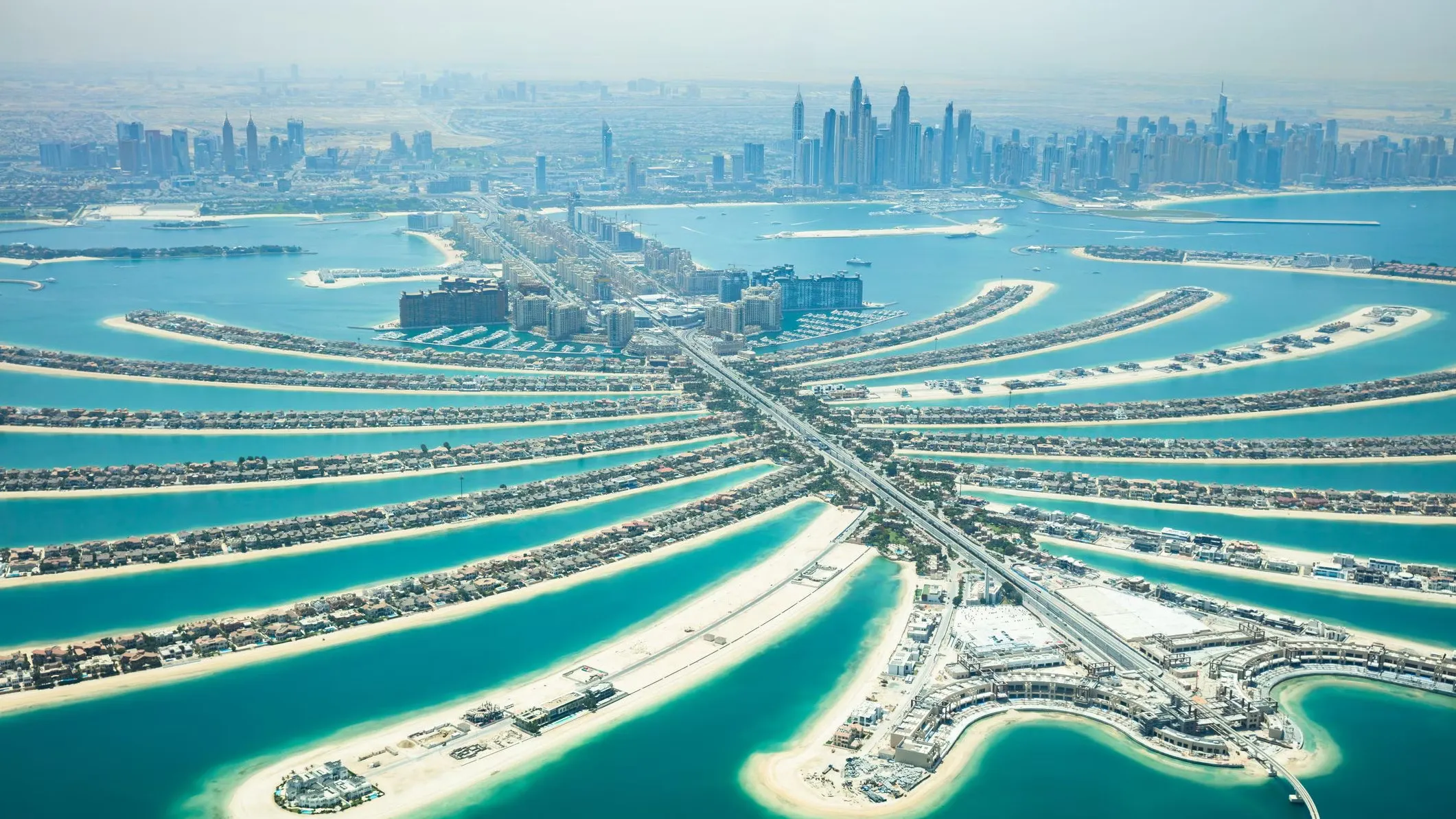

Dubai foreign capital 2026: why Dh176.7bn Q1 sales and more selective overseas money still favour disciplined buyers
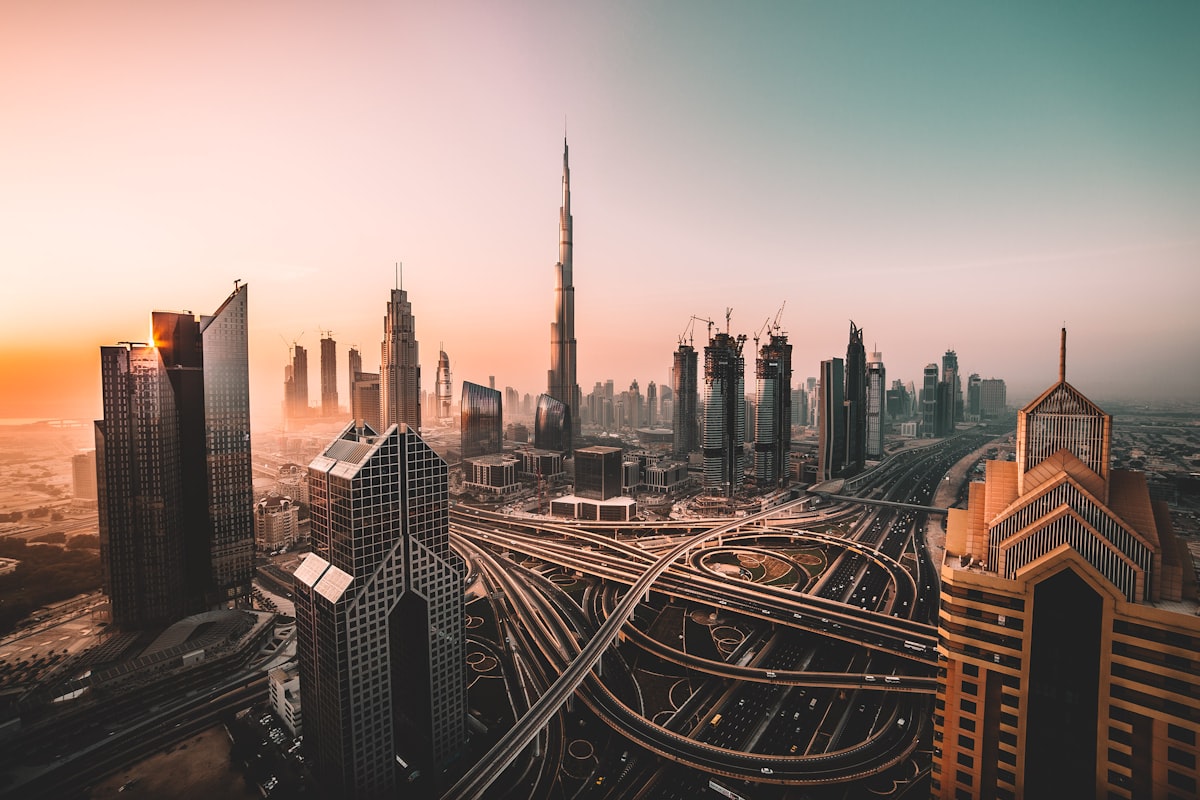
Quick answer
💡 Key Takeaways
Dubai foreign capital is still moving, but it is moving with sharper filters
Dubai foreign capital 2026 is not a story about investors vanishing. It is a story about investors becoming harder to impress. Gulf News reported that Dubai property sales reached Dh176.7 billion in the first quarter of 2026 across nearly 48,000 transactions, while The National cited Dubai Land Department first-quarter foreign investment value of Dh148.35 billion, up 26% year on year. Those are not weak numbers. They tell us global money is still entering the market in real size.
What has changed is buyer behaviour. The National’s investor Q&A framed it well: overseas capital is still coming in, but not with the same ease or confidence it had before. That distinction matters. It means serious buyers have not abandoned Dubai, but they are re-underwriting risk more carefully. They want stronger pricing logic, better building quality, clearer exit paths and more evidence that the premium they pay today will still make sense tomorrow.
For disciplined buyers, that is actually constructive. A market can stay liquid and still become more selective at the same time. When capital becomes more analytical, weaker stock loses some of its old protection. Overpriced sellers, average buildings and launch-led hype have a harder time pushing through on narrative alone. Better assets still move, but they move because they deserve to, not because the whole city can carry them.
That is why I think the most important phrase in Dubai right now is not “bullish” or “bearish”. It is “selective.” Selective money can still create strong sales totals. It just distributes demand differently, rewarding credibility over noise.
What the Q1 numbers really say about investor demand
The easy reading of Dh176.7 billion in quarterly sales is simply that demand remains strong. That part is true, but it is incomplete. Gulf News also highlighted that transaction value rose faster than volume, which usually means pricing and asset quality are doing more work than broad speculative churn. Off-plan reportedly accounted for around 70% of total transactions and value, showing that future-supply product is still pulling capital. At the same time, buyers are not behaving as if every launch deserves automatic trust.
The National added another layer by pointing out that some overseas investors and advisers are also reviewing alternatives such as Singapore or other safer-feeling jurisdictions when regional uncertainty clouds perception. That is not a collapse thesis. It is a competition thesis. Dubai is still attractive because it offers tax efficiency, global connectivity, regulation, infrastructure and a mature transaction ecosystem. But it now has to win the comparison more actively, especially for international money that can wait, diversify or negotiate.
So how should investors read these two signals together? My view is that Dubai has preserved demand depth but lost some of the easy momentum that once helped almost every decent-looking listing. Today, capital still wants Dubai, yet it is less forgiving. If a seller is anchored to an aggressive 2025-style story, selective capital will push back. If a community has real demand depth, credible supply, usable layouts and realistic entry pricing, money will still move decisively.
This is exactly why raw sales volume alone is never enough. The better question is where the money is choosing to cluster. Gulf News pointed to hubs like Dubai South, Jumeirah Village Circle and other growth corridors, while the broader market still keeps premium attention on proven end-user and investor districts. That tells us capital is still in the system, but it is sorting the market much more aggressively than before.
Why this environment is better for disciplined buyers than emotional buyers
Emotional buyers struggle in selective markets because they pay for comfort stories. Disciplined buyers do better because they compare price, demand durability, building quality and future liquidity before they commit. If overseas money now needs more reassurance, that creates room for smarter buyers to negotiate, especially when a seller wants pre-conflict certainty in a post-certainty market.
That does not mean you wait for a dramatic crash. The underlying numbers do not support that kind of blanket call. Foreign capital is still rising year on year. Sales totals are still large. Rental demand is still being supported by population growth and tenant inflows. But it does mean you should stop buying general Dubai optimism and start buying very specific value.
For example, if two units sit in the same broad district but one is in a better-managed building with stronger layouts, lower service-charge pressure and clearer tenant appeal, the cheaper-looking alternative may actually be the riskier buy. Selective capital tends to defend proven assets first. That is why disciplined buyers should use the current market to increase precision, not simply to chase discounts.
This is also a good moment to compare product types more ruthlessly. Some buyers will still prefer new off-plan projects because flexible payment plans and future appreciation remain attractive. Others should focus on ready stock in practical communities where current rent evidence and seller motivation create a more measurable edge. The opportunity is not the same for everyone, which is exactly why disciplined underwriting matters more than headlines.
Where selective capital is likely to keep finding traction
Dubai South: This remains one of the clearest value-led growth corridors because it can still absorb investor attention without requiring trophy-district entry pricing. When global capital becomes more careful, communities with a rational future-growth case often stay relevant. Dubai South works best when buyers stay strict on project quality, delivery certainty and long-term transport logic.
Jumeirah Village Circle: JVC continues to attract attention because it gives investors a broader affordability band and deep rental demand. In a more selective market, that matters. It is easier to justify an entry point when the tenant pool is wide and yields can still remain competitive. But JVC is not a blanket buy. Better-managed stock and stronger building design should command attention over average inventory.
Business Bay and proven urban cores: Selective foreign capital still wants centrality and liquidity, but it is less willing to overpay for generic location prestige. That means proven urban districts remain relevant, especially for buyers who prioritise exit flexibility, but only when pricing aligns with current market reality rather than old momentum narratives.
Premium waterfront segments: Prime Dubai continues to attract international attention because wealth preservation and lifestyle positioning still matter. The difference now is that premium buyers are more likely to ask whether the asset is truly defensible or simply expensive. In that environment, genuine scarcity outperforms average luxury marketing.
If you want a cleaner data-backed view of which areas are carrying attention, compare our live Dubai real estate data hub with our Dubai area guides before narrowing your shortlist. Selective money tends to reward buyers who do homework before they fall in love with a unit.
Joseph's take: the market still wants buyers, but only credible buyers win cleanly
From the agent desk, I do not see a broken Dubai market. I see a market asking tougher questions. That is healthy. The days when international buyers could treat almost any popular launch as automatically safe are fading. Now they need to think about execution risk, neighbourhood durability, tenant depth and whether the exit story still works if sentiment cools for longer than expected.
That is exactly why disciplined buyers can do well here. Strong Q1 sales and rising foreign investment tell me Dubai still has meaningful demand depth. More selective capital tells me the market is giving serious buyers more negotiation space than the headline totals might suggest. If I were advising a foreign investor today, I would build a shortlist with three very different styles of opportunity: one practical ready asset with clear rental depth, one growth-corridor play with pricing discipline, and one premium asset only if scarcity is genuine and not performative.
I would also test every opportunity against the same questions. Is the price still logical if rents stay flat for a period? Is the building truly better than its nearest competitors? Is the community broad enough to protect exit liquidity? Does the asset still work without a heroic appreciation assumption? Selective capital is effectively asking these questions already. Buyers who adopt the same discipline put themselves on the right side of the market.
If your goal is residency, not just yield, then visa-linked strategy matters too. Some buyers now combine capital preservation with residency planning, which is why our Dubai Golden Visa guide has become a more useful filter in 2026. The point is not just to buy. It is to buy with a structure that still feels rational when enthusiasm fades.
Best response strategy for overseas buyers in July 2026
Start with verification, not emotion. Ask for recent transaction evidence in the building, realistic service-charge assumptions, current rent comparables and a clear explanation of why the asset deserves its premium now. If the answers are vague, the unit is probably relying on old market confidence rather than present market proof.
Next, compare at least three communities with different demand drivers. For many buyers, that means one central district, one value-led district and one future-growth district. Doing that helps you see whether you are paying for genuine utility, liquidity and scarcity or just for branding. In a selective market, side-by-side comparison creates leverage.
Finally, move decisively when the numbers align. Selective capital does not mean no competition. Better assets still clear. The edge is that you can now eliminate weaker opportunities faster and focus your energy on units that justify conviction. If you want a deeper benchmark, review our latest buyer leverage analysis and our property visa breakdown, then build your shortlist around your actual objective rather than generic market excitement.
That is the real message of Dubai foreign capital in 2026. The money is still here. It is just demanding more intelligence. Buyers who respond with more intelligence of their own should still find attractive entry points.
Frequently asked questions
Is foreign capital still flowing into Dubai property in 2026?
Yes. The National cited first-quarter foreign investment value of Dh148.35 billion, up 26% year on year, while Gulf News reported Dh176.7 billion in total Q1 property sales.
Does selective foreign capital mean Dubai is weakening?
Not necessarily. It usually means buyers are becoming more analytical about price, quality, execution risk and exit liquidity rather than abandoning the market altogether.
Which communities still look attractive to disciplined buyers?
Dubai South, JVC and proven urban districts like Business Bay can still work well, but only when the specific asset, building quality and pricing are justified.
Are off-plan projects still attracting investors?
Yes. Gulf News reported that off-plan accounted for around 70% of total transactions and value in Q1 2026, showing that launch activity still attracts significant capital.
What should overseas buyers verify before making an offer?
Check recent achieved sales, live rental comparables, service charges, building quality, tenant depth and whether the pricing still works if market sentiment stays selective for longer.
What is the biggest mistake investors can make right now?
Paying for narrative instead of evidence. In a more selective market, average stock and over-priced sellers are more exposed than before.
Frequently Asked Questions
Joseph Toubia
CEO & Founder, Astra Terra Properties
RERA-certified real estate professional (BRN 54738) specialising in Dubai off-plan properties, investment advisory, and Golden Visa guidance. Based in Dubai.
Related Tools & Resources
Free calculators and guides to help you make smarter property decisions in Dubai.
Ready to Invest in Dubai Property?
Browse our curated selection of off-plan projects with flexible payment plans from 10% down, or explore ready properties for sale across Dubai.