

ASTRA TERRA / PROPERTY GUIDANCE
Dubai real estate investment.
Start with the evidence.
A useful investment strategy starts with the purpose of the property and the commitments you can sustain. Compare the individual asset, its income evidence and its costs before relying on a citywide growth story.
Reviewed 7 October 2026
Discuss your requirements →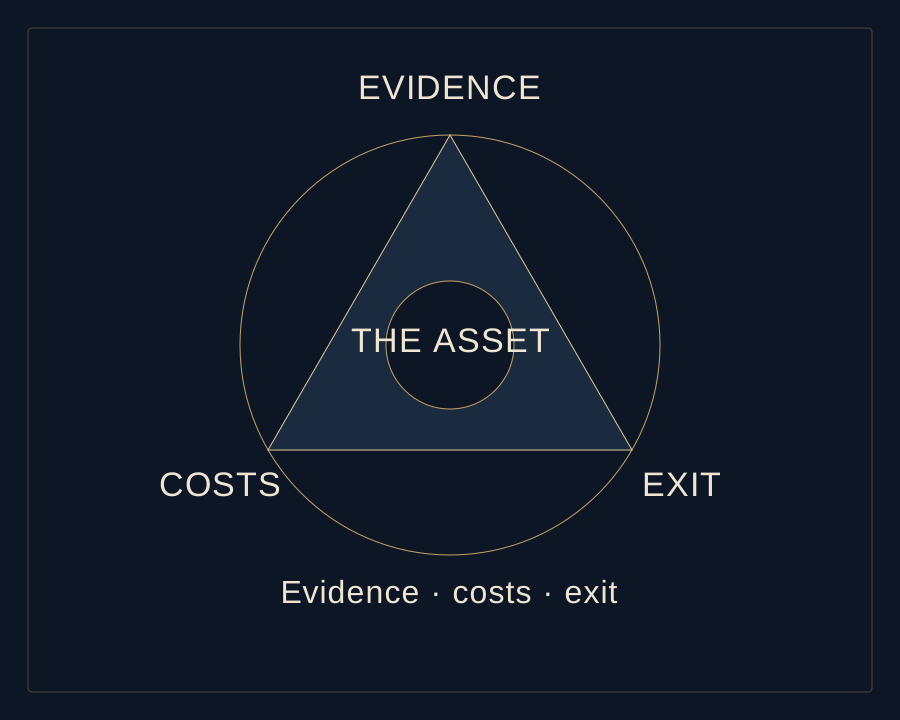
01 / YOUR DECISION
Define the job of the property.
Decide whether you need a home, an income-producing asset or a property for your business. Set a purchase budget, a reserve and an intended holding period. A property that suits one objective may be unsuitable for another. Write down the reasons you would decline a purchase before viewing.
Separate money needed soon from capital that can remain committed. Consider vacancy, repairs, borrowing obligations and a sale taking longer than expected. A longer holding period does not remove the possibility of a loss.
02 / YOUR DECISION
Use comparable evidence.
Ask for dated transactions involving a similar building or location, property type, measured area and condition. Record whether each figure is an asking price, an agreed offer or a completed transaction. Explain differences in specification, tenancy and payment terms before treating two properties as comparable.
A transaction total measures activity; it is not the appreciation of the property you are considering. A district average also cannot establish the rent for a particular unit. Ask what sample and period support each number in a proposal.
03 / YOUR DECISION
Keep income and price changes separate.
Calculate gross rental yield as annual rent divided by purchase price, then show owner-paid operating costs, potential vacancy and finance separately. Capital appreciation is an uncertain future change in value. Do not add an assumed appreciation rate to a rent projection and present the result as a dependable annual return.
Compare a lower-income case and a delayed exit alongside the base case. Include acquisition and selling expenses. If the purchase works only when every favourable assumption holds, revisit the price, financing or property choice.
04 / YOUR DECISION
Ready property and off-plan require different checks.
For an existing property, inspect condition, title, seller authority, occupancy and recurring charges. A completed building does not guarantee a tenant or immediate income. Review the actual tenancy and outstanding obligations when buying a leased unit.
For off-plan, verify the registered project, developer, payment instructions and contractual specification. Review payment milestones, expected completion, delay provisions and transfer restrictions. A launch discount is not proof of a future resale premium. Obtain independent advice on terms you do not understand.
Tax and residency: check the applicable rules.
Tax treatment depends on ownership, activity and individual circumstances. UAE VAT treatment distinguishes commercial and residential property; do not assume every transaction is exempt. Residency also requires a separate eligibility assessment. Use the official sources below and obtain advice for your own circumstances.
- FTA: real-estate investment for natural persons
- Ministry of Finance: VAT and real estate
- DLD: property-investor Golden Visa service
Your questions.
Is Dubai real estate a good investment?
Suitability depends on the individual property, price, costs, financing and your objectives. This guide does not establish a citywide expected return or recommend investing solely because other buyers are active.
What minimum budget should I use?
Use current written offers for suitable properties, then add transaction expenses, any works and an operating reserve. An advertised starting price is not a complete purchase budget.
Does buying property guarantee residency?
No. Property-investor residency is a separate application subject to current official criteria, documents and individual approval. Check the Dubai Land Department service before relying on a property for residency planning.