
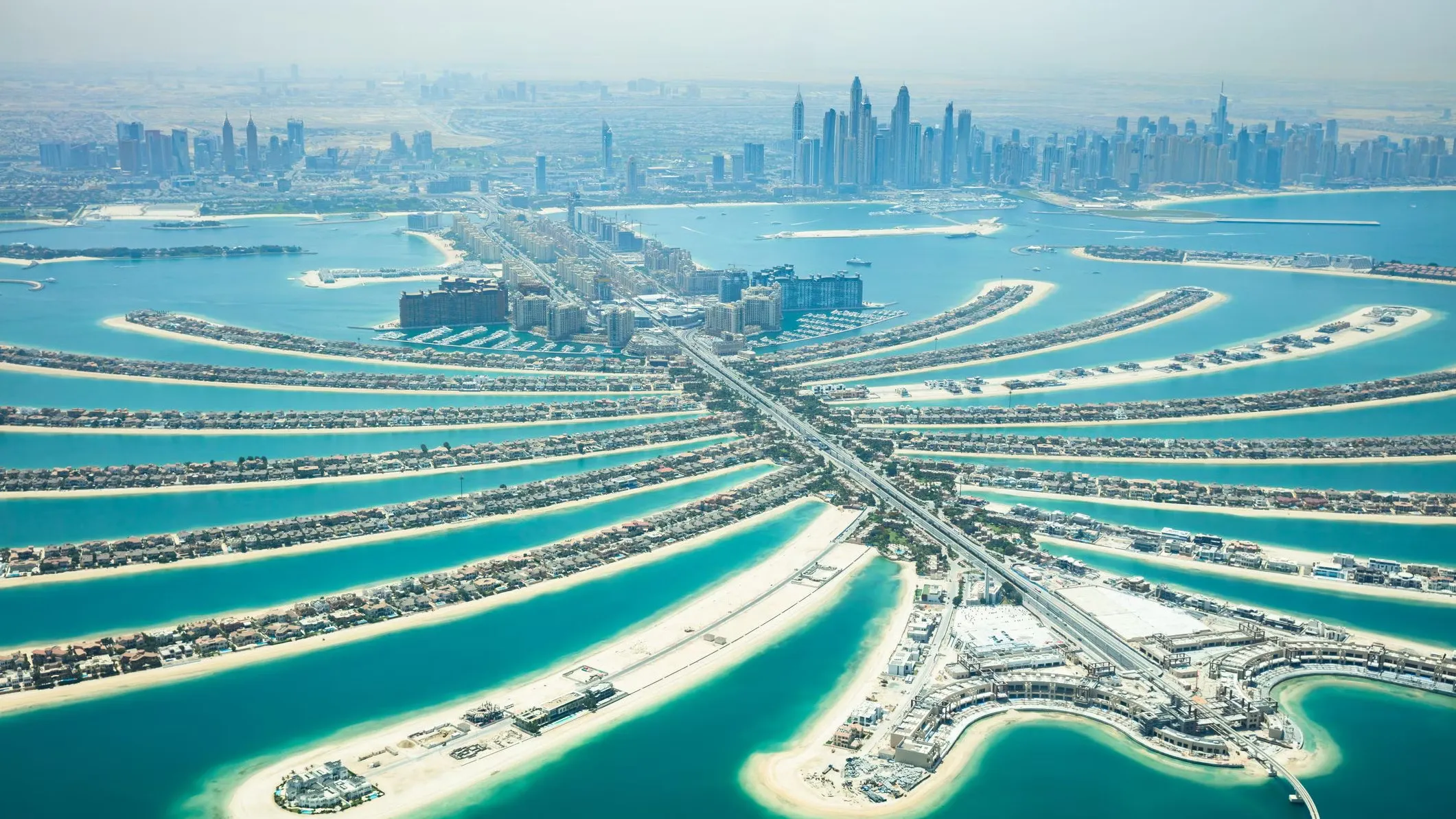

Dubai handover delays 2026: why serious buyers are moving toward proven developers
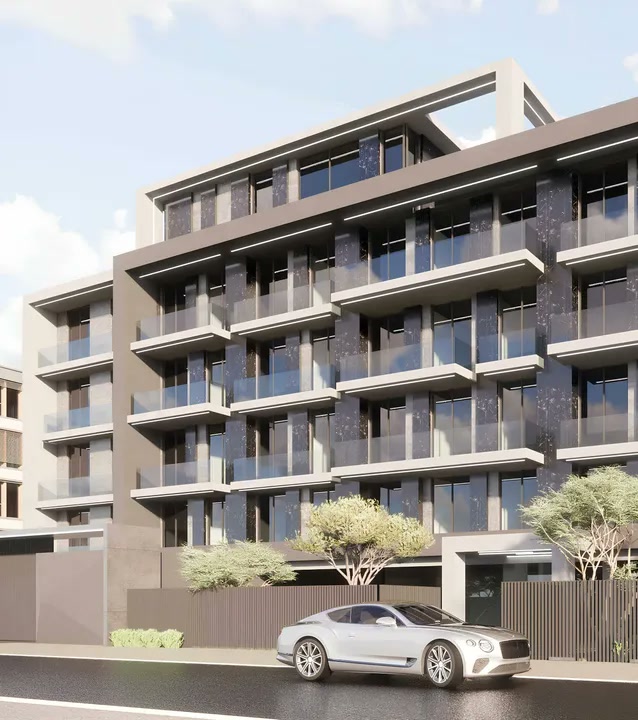
Quick answer
💡 Key Takeaways
Dubai handover delays 2026: why serious buyers are moving toward proven developers
Dubai handover delays 2026 are becoming one of the clearest decision filters in the market right now. Fresh June reporting around slower handovers and more selective buyer behaviour suggests that the easy phase of buying based on glossy launch momentum is fading. Buyers still want Dubai property, but they increasingly want proof that a developer can actually deliver on time, protect escrow discipline and support resale depth if the cycle cools further.
That matters because the broader market is still active. Dubai Land Department reported AED252 billion in Q1 2026 transactions across 60,303 deals, while late-Q2 reporting has kept the narrative focused on resilience rather than retreat. The difference now is quality control. Instead of asking only which area might rise next, more investors are asking which developers have delivered, which communities can absorb supply, and which assets still work if handovers slip beyond the brochure schedule.
At Astraterra Properties, this is exactly the shift we have been expecting. When handovers slow and buyer caution rises, execution quality starts to outperform storytelling. That changes how we guide investors through off-plan launches, ready homes and near-handover stock across communities like Dubai South, Dubai Hills Estate and Business Bay.
What happened in the market this week
The freshest market signal is not a collapse headline. It is a caution headline. June 2026 reporting from local business coverage pointed to a more selective buyer environment, especially where delivery timelines are stretching and where investors feel less comfortable underwriting blind completion risk. That is consistent with the broader June pattern: Dubai remains liquid, but the market is asking tougher questions before committing capital.
There is also a supply-timing context behind this. Forecasts for 2026 still point to large numbers of units scheduled for completion, yet Dubai’s historical pattern shows not every announced delivery lands on the original handover date. That creates a gap between marketing language and lived investor experience. Once that gap becomes visible, serious buyers naturally shift from launch excitement toward execution proof.
For an investor, the practical implication is simple: delay risk is no longer an abstract footnote. It now affects expected rental start dates, carrying costs, financing assumptions, Golden Visa timing and resale planning. That makes handover credibility a front-end underwriting issue, not something to check after the reservation form is signed.
Why it matters for Dubai real estate right now
In a fast-rising market, buyers can often tolerate mediocre execution because capital appreciation covers many mistakes. In a more selective 2026 market, that cushion gets thinner. If a project delivers late, the buyer may lose a full leasing season, miss planned refinancing timing, or discover that a comparable ready property in the secondary market would have generated income faster with less risk.
This is why Dubai handover delays 2026 matter beyond the off-plan niche. They influence how buyers compare ready versus off-plan, how brokers position projects, and how developers compete for trust. Tier-one names with cleaner delivery records usually gain pricing power in exactly this kind of phase because certainty itself becomes part of the product.
The same signal can help end-users too. Families planning a move, entrepreneurs using real estate to secure residency, and international buyers trying to line up school terms or business relocation dates all need dependable execution. A one-year slip is not just inconvenient. It can force expensive temporary rentals, duplicate moving costs and financing stress that was never built into the original plan.
Which buyers should pay the most attention
Off-plan investors under AED 2 million: this group should be especially careful because many of the most aggressively marketed payment plans look attractive only if handover happens close to schedule. If not, the return profile can deteriorate quickly. A project with a flashy 70/30 plan is not automatically a better deal than a ready one-bedroom in a proven rental community if the ready unit can start producing income immediately.
Golden Visa buyers: timing matters here too. Buyers aiming to cross the AED2 million threshold often care about when the asset becomes usable, rentable or financeable. Delayed delivery can delay practical residency planning even when the headline eligibility remains intact.
End-users relocating to Dubai: this is where we tend to give the most conservative advice. If a client has a fixed move date, I rarely want them overexposed to a project that still needs too many execution assumptions to go right. In 2026, the premium for certainty can be worth paying.
Experienced investors with dry powder: this group can actually benefit from the current shift. When weaker launches face more skepticism, buyers with patience can negotiate harder, rotate into proven developers, or target ready properties where sellers are more realistic.
Joseph's Take: what I would filter first before buying
If I am guiding a client through Dubai handover delays 2026 risk, I start with one blunt question: if this project slips by 9 to 12 months, do we still like the deal? If the answer is no, then the deal is too fragile. That does not mean off-plan is bad. It means the margin for error has narrowed.
What I care about first is developer behaviour, not just brochure quality. I want to know how often the developer has delivered close to schedule, how they handled prior buyers when construction slowed, whether the escrow discipline is visible, and whether the surrounding community can support pricing even if a project lands into a more crowded completion window. In practice, that is why names with real delivery history keep winning trust in this phase.
I also push clients to compare every off-plan story against a ready-home benchmark. For example, if a buyer is considering emerging stock in Dubai South, we should compare it against ready or near-ready alternatives that offer immediate use, clearer rent evidence and cleaner exit assumptions. Sometimes the off-plan upside still wins. Sometimes it does not. But if you never run that comparison, you are not doing real due diligence.
The contrarian point here is important: in 2026, the cheapest launch is not always the smartest buy. A slightly more expensive unit from a proven developer or in a completed community may produce a much better risk-adjusted outcome once delays, service charges, vacancy timing and resale liquidity are properly accounted for.
Communities and project types that could benefit from this shift
Dubai South: buyers watching newer launches here should separate future-potential narratives from execution reality. Projects such as Greenfield Living help illustrate the attraction of lower entry pricing, but the real question is whether the delivery pathway remains credible enough for investors who do not want to carry timeline uncertainty too long. If you are buying in Dubai South today, transport links, community build-out pace and developer accountability all matter as much as the launch price.
Dubai Hills Estate: this is one of the clearest examples of how proven master communities absorb selective-buyer cycles better. Buyers can usually underwrite livability, resale depth and rental demand here with more confidence because the wider ecosystem is already established. Even when supply enters, the community has a stronger base of end-user demand than many pure narrative-led launches.
Business Bay: for investors who want centrality and immediate income evidence, ready and resale stock in Business Bay can look more compelling when off-plan delays become a bigger concern. You may pay more upfront than an outer-area launch, but you gain visibility on real rents, service charges and tenant depth now, not later.
For a broader comparison, our guides on Dubai off-plan sales 2026 and Dubai ready homes 2026 are useful next reads because they show how this selective cycle is already reshaping buying patterns.
Best response for serious buyers now
The smartest response is not to freeze. It is to tighten filters. Ask for delivery evidence, compare every launch against a ready-market alternative, and underwrite the deal with a realistic delay scenario. If the project still works after that, you may have a strong opportunity. If it only works in the perfect-case scenario, move on.
At Astraterra, we are advising buyers to focus on four non-negotiables right now: developer delivery track record, escrow transparency, service-charge-adjusted returns and genuine micro-location demand. Those four filters will usually protect a client better than chasing whichever launch has the loudest marketing campaign that week.
If you want help comparing a delayed off-plan opportunity against a ready or near-handover alternative, speak with our team before you commit. We can model the timing risk, check community depth and help you avoid paying a premium for uncertainty.
Need expert guidance? Call or WhatsApp +971 58 558 0053 or visit Astraterra Properties. You can also review our Dubai housing supply 2026 analysis for more context on delivery quality and community selection.
Joseph Toubia
CEO & Founder, Astra Terra Properties
RERA-certified real estate professional (BRN 54738) specialising in Dubai off-plan properties, investment advisory, and Golden Visa guidance. Based in Dubai.
Related Tools & Resources
Free calculators and guides to help you make smarter property decisions in Dubai.
Ready to Invest in Dubai Property?
Browse our curated selection of off-plan projects with flexible payment plans from 10% down, or explore ready properties for sale across Dubai.