
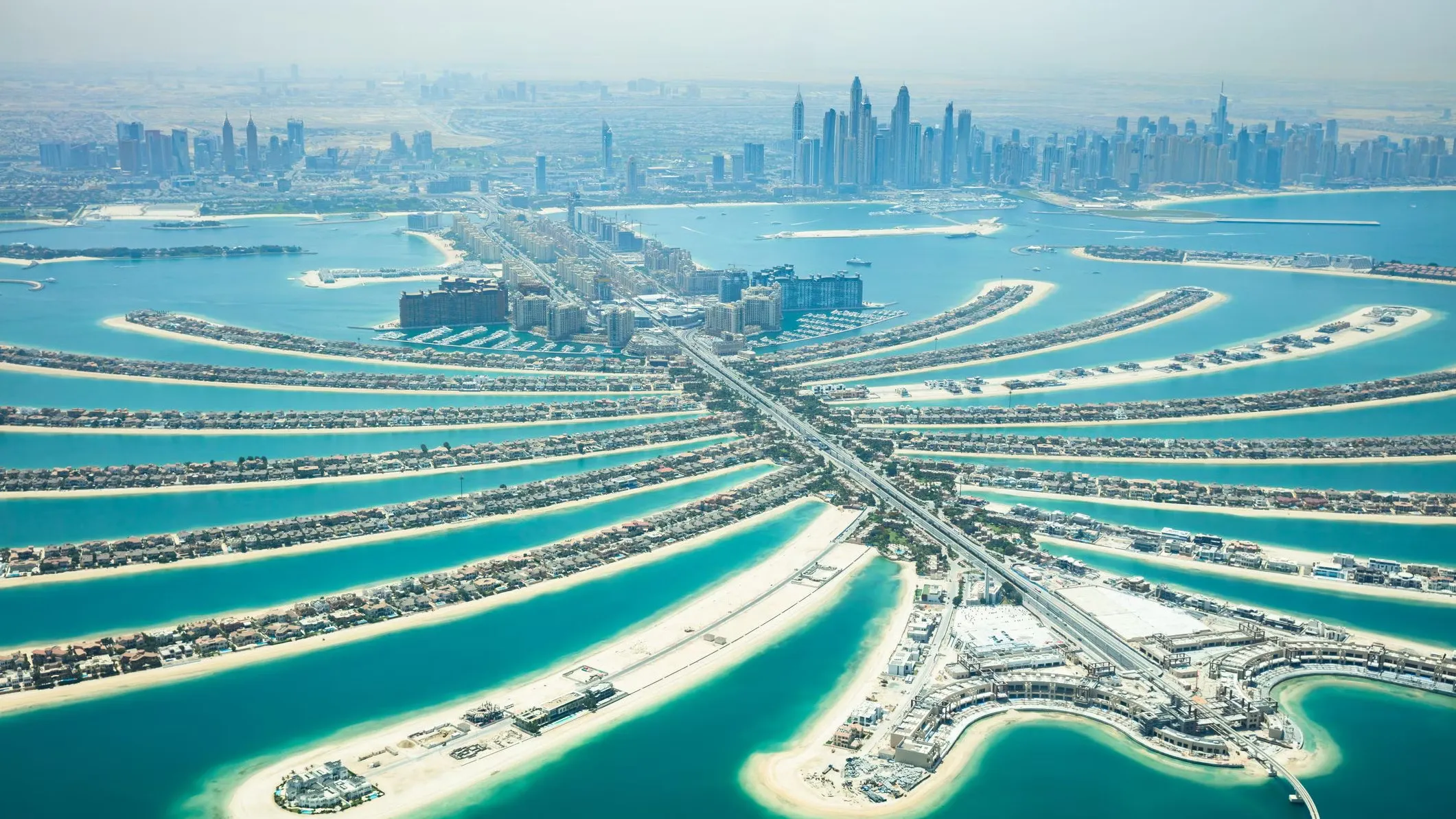

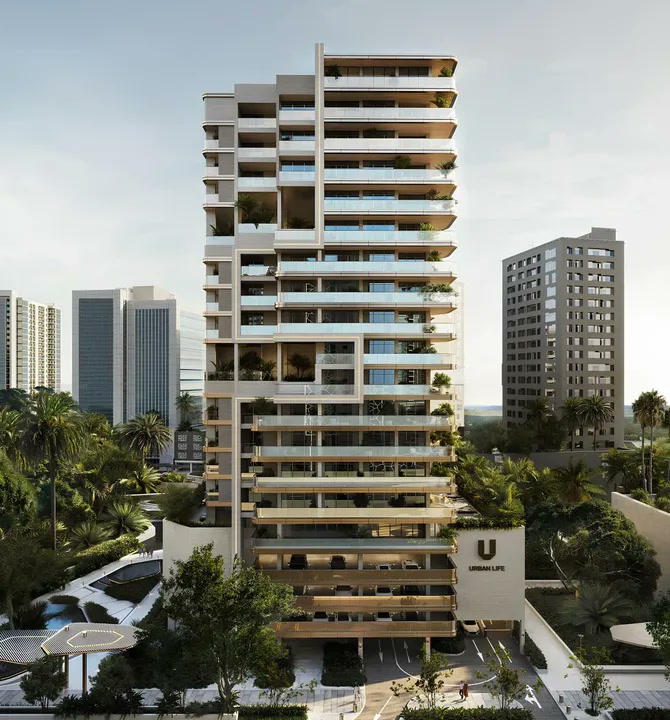
Dubai long-term property investment 2026 deserves fresh attention this week because Khaleej Times reported that the average renter in the UAE now becomes a homeowner in just 4.8 years. That is a meaningful behavioural signal. It suggests the market is not being driven only by quick-flip investors or offshore momentum capital. More residents are deciding that ownership in Dubai now makes sense earlier in their life cycle.
That shift matters because it aligns with the broader hard data already visible in the market. Dubai Land Department said the emirate recorded AED252 billion in Q1 2026 real estate transactions, up 31% year on year, after a record AED917 billion in 2025. Khaleej Times also highlighted that March activity briefly slowed during regional tensions before April sales rebounded 23% to around AED69 billion. This is not the profile of a fragile market living on hype alone. It looks more like a maturing ownership market with conviction underneath it.
The most important interpretation is that Dubai is increasingly functioning as a city people plan around, not just a market people trade around. When renters become owners faster, demand quality changes. End users care more about schools, transport, service charges, building management, resale depth and whether the community still feels good to live in after the launch party is over.
Why this matters more than another generic market-growth story
There is a big difference between headline market growth and durable ownership demand. A short-term trader can help volumes for a season. A resident buyer who chooses to own because Dubai now feels like a long-term base has a much deeper effect on price stability, tenant retention and community resilience.
That is why the 4.8-year renter-to-owner figure matters. It supports the idea that Dubai is moving further into a long-term residential cycle. It also sits neatly beside other structural indicators: more than 193,000 active investors in 2025 according to the same reporting, resident investors representing more than half of investment value, and major developers like Emaar entering 2026 with a AED163.4 billion revenue backlog. Those are ownership-market numbers, not just speculation-market numbers.
Why serious buyers should pay attention now
If the market is shifting toward longer holding periods, then the best-performing assets may not be the loudest ones. The strongest properties in this phase are usually the ones that can satisfy both an end user and an investor: a building someone would actually want to live in, but also one that leases cleanly and resells without drama.
That changes buyer screening. Instead of asking only whether a project can gain 20% quickly, serious buyers should ask whether the building still works if appreciation cools for a few quarters. Does it have real livability? Are the service charges sustainable? Is the district liquid enough that an owner can exit cleanly? In 2026, those questions matter more than brochure hype.